
Boxing as a New Dad: How to Keep Training When a Baby Arrives
I have two kids, and both times I stopped boxing for the first couple of weeks after the birth and then went back. Not at the same rhythm as before: fewer sessions, about two hours a week in total, which is a reasonable amount of time to ask for. But I kept going, and I am glad I did. Getting out of the house for a bit and doing something that had nothing to do with feeds and diapers made me a better parent when I came back. I made sure the mom got the same amount of time to herself, and everyone in the house was happier for it.
What I did change was how I trained. I paid close attention to it, and I talked about it with the other dads at the gym, several of whom were going through the same thing or had been through it a few years earlier. This article is the takeaways from those conversations and from my own two rounds of it.
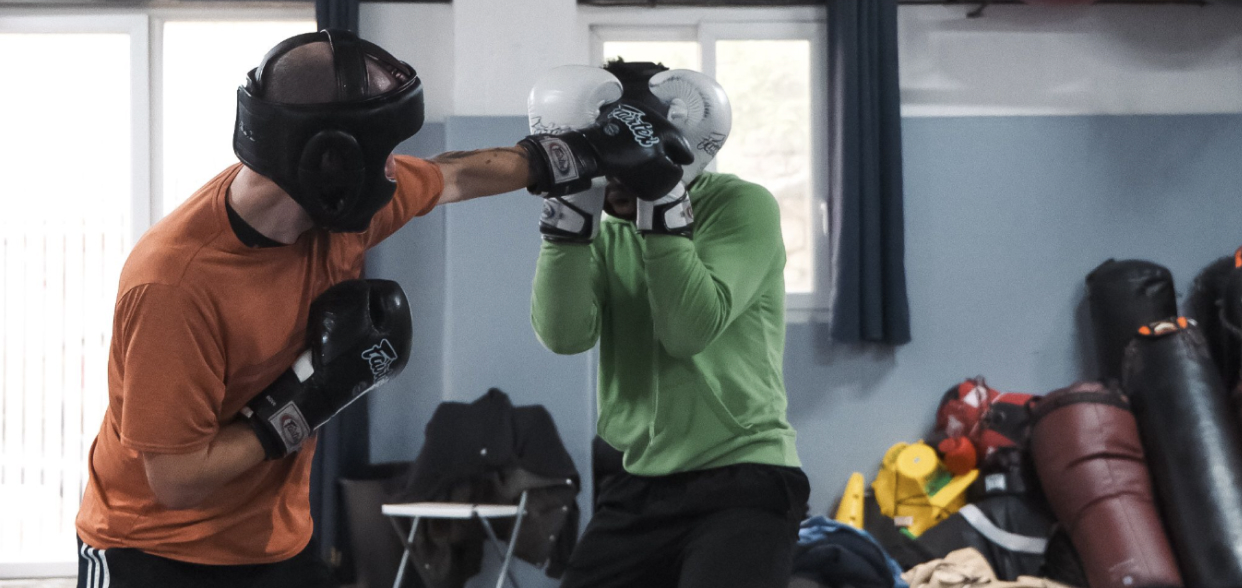
Warm up more than you used to
A new parent’s body is not the body you had six months earlier. You sleep in two-hour chunks, you spend a lot of time hunched over a crib or a car seat, and you carry a growing weight on one arm for hours a day. Your shoulders and your lower back arrive at the gym already tight, and a pulled muscle now costs more than it used to because you still have to lift the baby tomorrow.
So give the warmup more time, not less, even if it means cutting a round from the workout. Mobility first, a bit of cardio, then easy shadow boxing before anything hard. We wrote a full warmup routine that works anywhere. If you are short on time, do the warmup and a shorter session rather than skipping the warmup to fit the full session in.
Do not spar when you are running on no sleep
This is the rule I would put at the top. Sleep deprivation slows your reaction time and your coordination, and those are the two things keeping you safe when someone is throwing punches at your head. A night of three hours of broken sleep leaves you in roughly the same state as a couple of drinks. You would not spar after a couple of drinks.
If you had a rough night, do bag work, pad work or drills instead. Nobody at the gym will think less of you for saying “not today, the baby was up all night.” Most of them have been there. And when you do spar, keep it technical rather than hard: light contact, working on specific things, with a partner you trust to go at the same pace.
Box more defensively in general
Even outside sparring, shift your whole approach toward not getting hurt. Before the baby, a sore hand or a tweaked shoulder was an inconvenience. Now it means you cannot do bath time, or your partner has to pick up everything for a week because your wrist is out. People are counting on you in a way they were not before. A black eye is a different story: I never cared much about showing up with one, but depending on your circle, turning up at daycare pickup looking like you lost a bar fight might be frowned upon. Know your community.
In practice that means spending more of your training on defense and footwork, keeping your hands up even when you are tired, and never trying to win a sparring round. It also means speaking up when a partner goes harder than you are comfortable with. Say it between rounds, or stop the round if you have to. Leave the ego at home; nobody worth sparring with will hold it against you, and not getting hurt matters more than anything else right now. It also means paying attention to the small stuff: wrapping your hands properly every time, not punching the bag with a sore wrist, stopping a round when something feels off instead of pushing through. We covered the most common boxing injuries and how to avoid them separately.
Here is the thing though: the injury that got me did not come from boxing at all. Despite all the care in the gym, I hurt my elbow carrying my kid. Months of holding a growing weight on the same arm, always the same way, and one day the elbow just said no. For a while I could not throw a proper jab or hook with that side, so I had to rely on my rear hand a lot more than usual. That is a strange way to box, and a real challenge when your whole game is built around the lead hand, but it did force me to work on things I had been neglecting. The lesson is that parenting itself is a physical load, and it stacks on top of training. Switch arms when you carry, and do not ignore a joint that starts complaining.
Put competition on hold
If you were thinking about an amateur fight, this is probably not the time. A fight camp means hard sparring, cutting weight, early mornings and a lot of attention, and all of those are already being taken by someone much smaller than you. Your partner also needs you functional, not nursing a broken nose while they handle the night feeds.
This is not forever. Things calm down at home after the first year or so, and the fight will still be there. A couple of the dads at my gym competed again in their mid thirties once their kids were a bit older, and both said the same thing: what made the comeback possible was that they had kept training lightly the whole time instead of stopping.
Get a heavy bag at home if you have the room
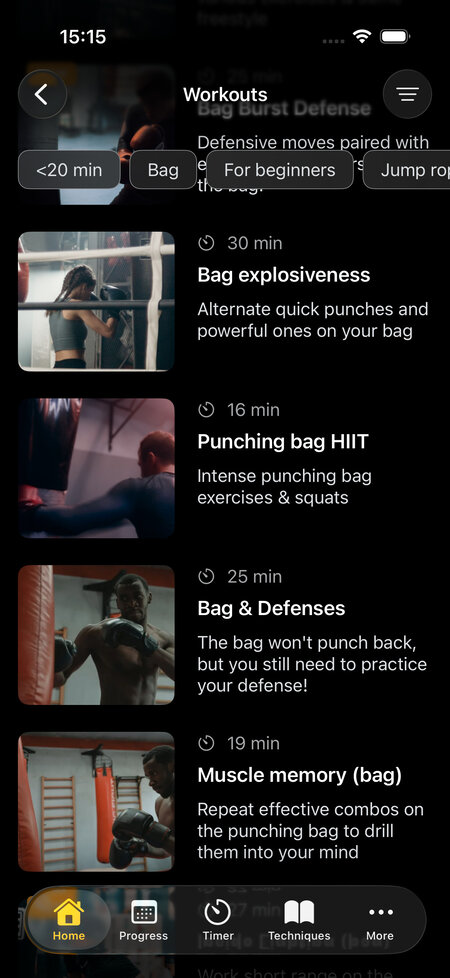
This one came up in almost every conversation with other dads. A bag at home means that on the days when getting to the gym is impossible, you can still get 20 minutes of real work in without leaving the house, during a nap or after bedtime. It is also a good way to take out the frustration of a day where nothing went right, which happens more often than you would like with a newborn.
You do not need a lot of space, and you do not need a stand if you have a beam or a ceiling joist to hang it from. We have a guide on getting started with heavy bag training that covers what to buy and how to hang it. Without a bag, shadow boxing in the living room does the job too, and it is quiet enough to do while the baby sleeps.
Make shorter sessions the default
My two hours a week were one or two gym sessions plus short sessions at home in between, and that split worked. The gym gives you the long, proper workout; the home sessions keep you moving on the other days. A 20-minute session at home is a lot better than a 90-minute session that never happens because you are waiting for a free evening that does not exist.
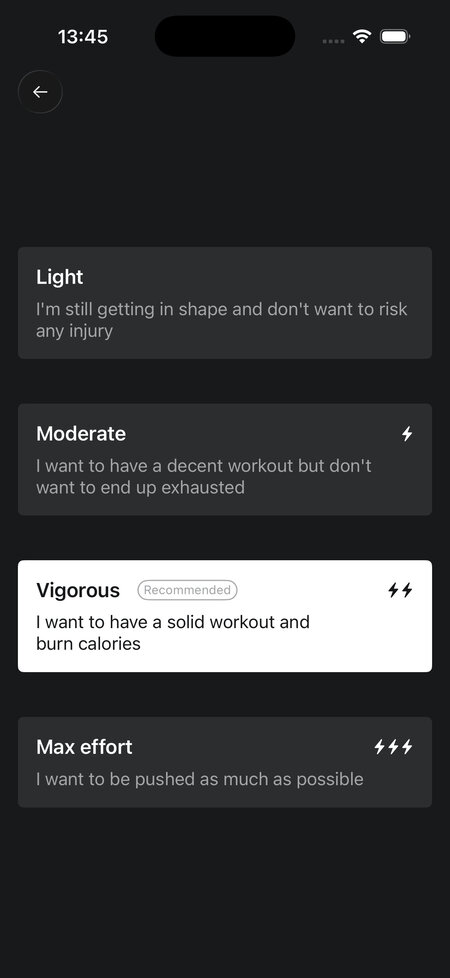
The trick is to lower the bar until it is easy to clear. Gloves on, warm up, four or five rounds, done. If you use the Shadow Boxing App, the Quick Start feature is built for exactly this: pick a duration and an intensity and it generates a session on the spot. The Light intensity option is there for days when you do not want to risk anything, which is most days in the first few months.
Keep going to the gym, even if less often
It is tempting to move all your training home and never deal with the logistics of the gym. I would push back on that. A new dad’s life can narrow very quickly to work, home, work, home, and the boxing gym is one of the few places where you talk to adults about something other than the baby. The people there know you, they notice when you have been away, and that keeps you coming back.
Once or twice a week is enough to keep that going. The part that made it work for us was that it went both ways: I had my gym slots, the mom had the same amount of time to herself for whatever she wanted, and neither of us had to feel guilty about it. Two hours a week each is not a lot to ask, and it made the other 166 hours noticeably easier. If you are looking for a gym, we wrote about what makes a good one.
Watch the scale
Nobody warns you about this one. Having a baby in the house means eating whatever is quick, finishing the kid’s leftovers, snacking at 3 a.m. during a feed, and drinking more coffee than water. Combine that with less training and most new dads gain somewhere between 10 and 20 pounds in the first year without noticing.
Boxing helps with the training side, but you also need to pay attention to the food side. Weigh yourself once a week, keep the bad snacks out of the house, and treat your training sessions as the reason to eat properly rather than the excuse to eat badly.
A note on moms
This article is written from a dad’s point of view because that is the experience I have. I got much less feedback from moms, and what I did hear varied a lot more. It seemed to depend mostly on how the birth and the recovery went. I have friends who were back at the boxing gym after a couple of months, and others who could not for a much longer time. The physical toll is simply higher, and all of them had already stopped boxing at some point during the pregnancy, so the starting point is not comparable to a dad who trained up to the day of the birth.
The logic is the same though: adapt, stay active, and find something that fits your current health, whether that is boxing again, walking, or ten minutes of mobility work when the baby is asleep. You cannot go as hard as before, and that is fine. Stopping sport and the things you love doing altogether does not help anyone, you included. Talk to your doctor about timing, then go back at whatever level you can.
If going to the gym is not an option yet, the Shadow Boxing App has lighter workouts you can do at home with nothing but a bit of floor space, and you can adjust the intensity of any workout in the app to match where your fitness is right now rather than where it was a year ago. Ten minutes of easy shadow boxing while the baby naps still counts.
Why it is worth the effort
All of the above sounds like a list of restrictions, so here is the other side.
Training through this period kept me sane, and every dad I talked to said some version of the same thing. Boxing is cardio, strength and a mental reset at the same time, and a 20-minute bag session does more for a sleep-deprived mood than another hour of scrolling on the couch. Being in shape also makes the physical side of parenting easier: carrying a toddler up three flights of stairs, getting up off the floor forty times a day, running after a kid who has just learned to walk.
And the kids notice. Mine have seen me put on gloves since before they could talk. They think it is normal that their dad trains, and they fake box each other in the living room, with a stance and a guard that are nowhere near correct, and it is hilarious. Children learn what a healthy adult looks like by watching the ones in their house. Showing up to your own training is one of the clearer ways to teach that.
Take the first couple of weeks off if you need them, then go back at whatever rhythm fits. Warm up properly, stay out of hard sparring until the nights get better, keep the gym in your week, and make sure your partner gets the same deal. The old rhythm will come back. In the meantime, do not let the whole thing drop.