
Why Technical Sparring Beats Hard Sparring for Getting Better
Walk into most boxing gyms on sparring day and you’ll see the same scene: two people going at it close to full power, a coach shouting “keep it light” that nobody hears, and everyone leaving with a headache and the feeling of having trained hard. It feels like real boxing. It is also one of the least efficient ways to get better at the sport, and most of the best fighters in the world spar this way rarely, if at all. Technical sparring, done at controlled intensity with a specific goal for each round, gets you further in less time and with far less damage.
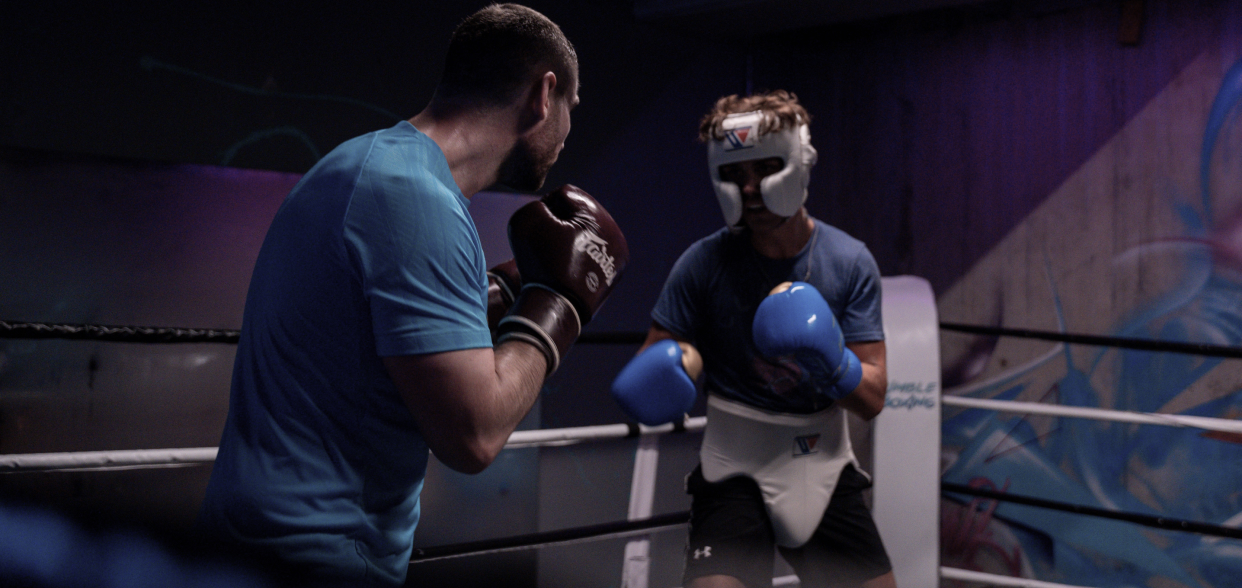
What each one actually is
Hard sparring means both people are trying to land clean and hurt each other, at or near full power. Headgear on, maybe, but the intent is to win the round. It’s a fight with a friend.
Technical sparring means both people are boxing, with real punches and real defense, but the power is dialed down to somewhere around 30 to 50 percent and the point is to work on something. Sometimes that something is a rule for the round: only jabs, or body shots only, or one person attacks while the other only defends and counters. Sometimes there’s no rule beyond “light”, and the two of you just box and try things. Nobody is trying to win. A punch landing clean tells you both something, and then you carry on.
The difference is intent, not gear. You can spar hard in headgear and 16 ounce gloves, and you can spar technically in a shirt with 12 ounce gloves if both people are trustworthy. The line is whether you’re trying to hurt the person in front of you.
Why hard sparring teaches so little
The strongest argument against hard sparring is what it does to your learning, before you even get to the injuries.
When someone is throwing full power at your head, your nervous system goes into survival mode. Your vision narrows, your shoulders come up, you stop breathing properly, and you fall back on whatever you’ve done a thousand times. That is the opposite of what you need to learn a new skill. You cannot experiment with a new counter when you’re afraid of getting knocked out for trying it. So hard sparring mostly reinforces what you already do, including the bad habits.
It also produces very few repetitions of anything. In a three minute hard round, you might land or attempt a specific technique two or three times. In a technical round where the rule is “jab only, defend with slips”, you’ll slip fifty jabs. Skill is built on volume, and volume requires an intensity low enough that you can keep going.
Then there is the fatigue. Hard sparring wrecks you for a day or two. Technical sparring you can do several times a week, for more rounds, with a clear head each time. Over a month, one person has done maybe six hard rounds and spent the rest of the time recovering. The other has done forty technical rounds. Guess who improved more.
The damage question
This deserves its own section because people underestimate it. The cumulative effect of taking head shots in training is well documented by now, and it’s the training rounds, not the fights, that add up. A boxer with twenty amateur fights might have taken two hundred hard sparring sessions to get there. That’s where the real punishment happens.
If you’re an amateur or someone boxing for fitness, you have no reason at all to accept that. You don’t have a title fight to get ready for. Getting hit hard in the head every week for the sake of feeling tough is a bad trade, and the tough part doesn’t even transfer: being able to take a punch is not a skill you improve by taking more punches. It mostly means you’ve used up some of your tolerance.
Technical sparring keeps almost all of the benefit, the timing, the distance, the reading of an opponent, and removes most of the cost.
What technical sparring is good at
A few things that only come from a partner, and that technical sparring gives you plenty of.
Distance. The bag never moves and the mirror never punches back. Against a person you find out that your jab is six inches short, or that you keep stepping into range without throwing. Light rounds let you fix this because you can afford to be wrong.
Reading an opponent. Feints, rhythm changes, the small tells before a punch. You only pick these up by spending relaxed time in front of someone. When you’re scared, you don’t see any of it.
Trying things that fail. A new counter, a level change, fighting on the inside for a round. In a hard round you’d never risk it. In a light round, getting caught costs you nothing, so you try it ten times until it works. That’s where the counter punching you’ve drilled alone finally starts to show up in live boxing.
Confidence. This one surprises people. Hard sparring often makes beginners worse and more tense over time. Light sparring lets them relax, get used to seeing punches coming, and slowly build the composure that hard rounds never gave them. If you’re preparing for your first sparring session, this is the version you want.
Does hard sparring have a place?
Yes, a small one. Fighters with a bout coming up need some rounds at higher intensity to get used to the pace and the pressure, usually in the last few weeks of a camp, and usually far less than they think. Even then, good coaches keep it to a handful of rounds and pull people out at the first sign of a bad exchange.
For everyone else, the answer is closer to never. If you box for fitness, for the skill, or for the occasional amateur bout, technical sparring covers everything you need. And if you find yourself in a gym where every sparring session turns into a war, it’s fine to say no. Your brain is not gym equipment.
How to make technical rounds actually technical
The main problem with technical sparring is that it drifts. Two people agree to keep it light, someone lands a clean shot, the other one answers a bit harder, and thirty seconds later you’re in a hard round again. Ego does that.
The fix is structure. Give every round a rule before the bell. “Only jabs this round.” “You attack, I only defend.” “Body shots only, no head contact.” A constraint makes it impossible to wind up a big right hand because a big right hand isn’t allowed, and it gives both people something to focus on besides winning. The rule can loosen as the rounds go: jabs only, then jabs and defenses, then freestyle but only at long range. That’s how good coaches run sparring, and it works just as well between two training partners with no coach in sight.
Agree on the power level out loud before you start, and agree that either person can call a stop. Then stick to it. The pair that keeps it light for a whole session has done something harder than the pair that brawled.
If you don’t know how to approach it
If you have a partner but no coach to set the rules and run the rounds, that’s the gap the Shadow Boxing App now fills. The new guided sparring workouts give both boxers a rule for each round, read it out before the bell, and change it as the session goes on. One version assigns each of you a role, like pressure fighter versus mover, and swaps them mid-round. Another calls out a new theme on the fly. All of it is built for light, technical work, with the reminders to keep it that way built in.
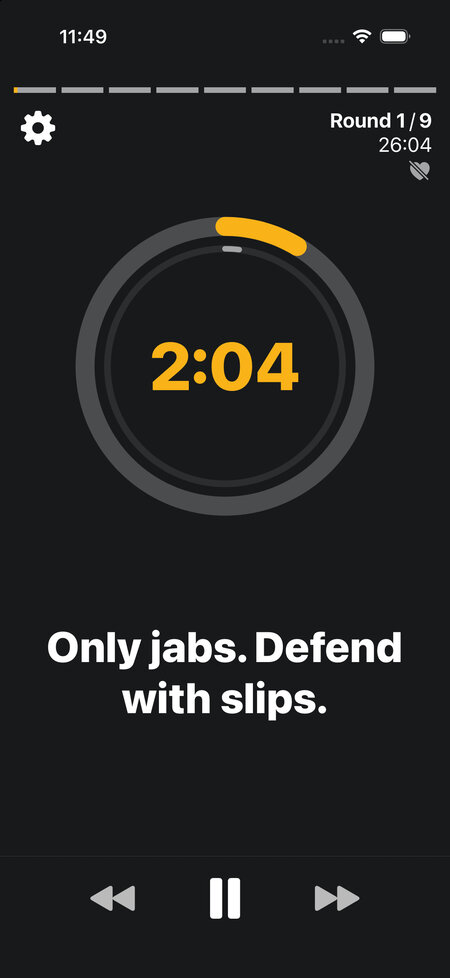
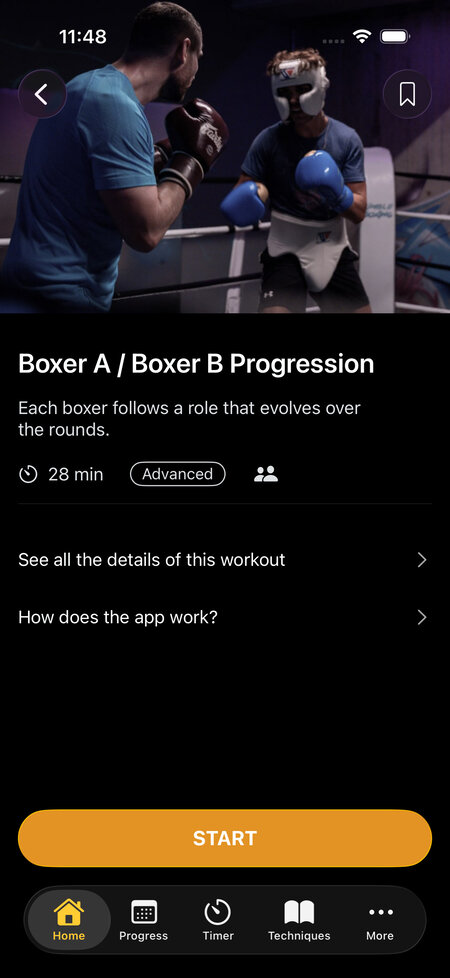
It won’t stop two people from going too hard if they’ve decided to. Nothing can. But it takes the guesswork out of what to work on, and it makes the light round the default instead of the exception.