
What Makes a Good Boxing Gym and How to Spot One
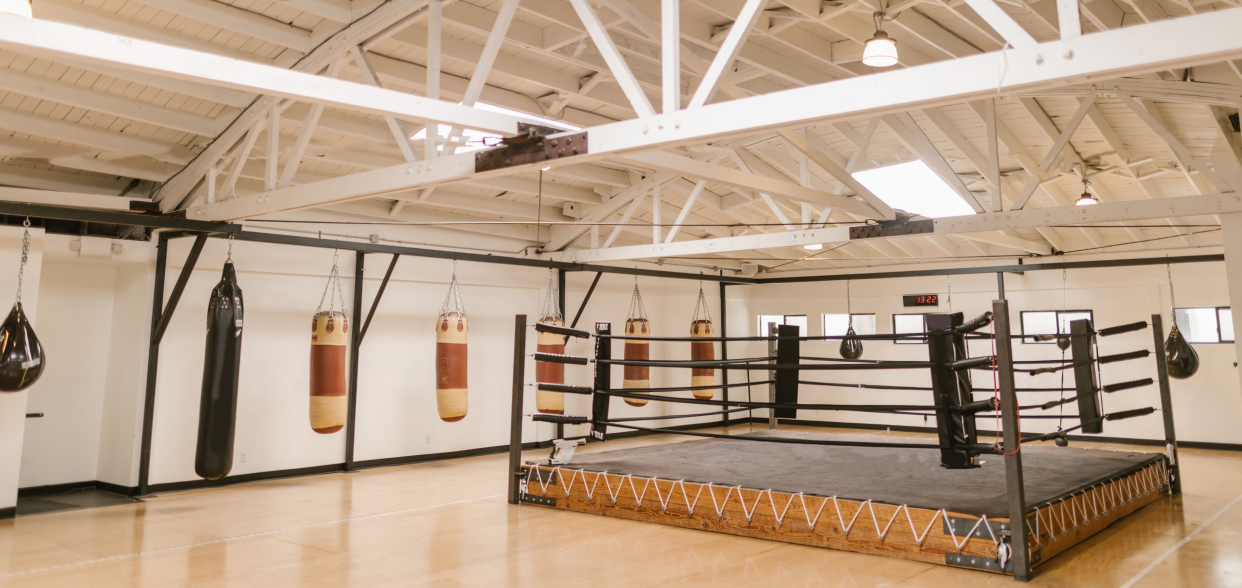
Walk into ten boxing gyms and you will get ten very different experiences. One is a fluorescent-lit fitness studio running punching circuits to loud music. Another is a sweat-stained room with two rings, a wall of trophies, and a coach who has trained amateurs for thirty years. Both call themselves boxing gyms, and only one of them is going to teach you to box. The hard part is that you usually have to commit money and a few weeks of your life before you can tell which is which. This is a guide to reading a gym faster than that, so you sign up somewhere that actually fits what you want.
The coaching is the whole thing
Everything else on this list matters, but coaching is what you are really paying for. A good coach watches you, corrects you, and adjusts what they ask of you based on what they see. A bad one runs the class from the front of the room, counts down the rounds, and never once tells you your elbow is flaring or your chin is in the air.
The test is simple. In your first couple of sessions, does anyone fix your technique? If you spend three weeks throwing a sloppy jab and nobody says a word, you are at a fitness class with a boxing theme, not a boxing gym. Good coaches cannot help themselves. They will walk over and adjust your stance because watching bad form is physically uncomfortable for them.
One thing worth knowing: a great fighter is not automatically a great coach. Plenty of talented boxers can do it beautifully but cannot explain it, and a few of them resent having to teach beginners at all. The coach you want is the one who can break a movement down into pieces a complete novice understands, then build it back up. Their own competitive record matters far less than their ability to teach.
Atmosphere you actually want to come back to
You can find the most technical coach in the city and still quit in a month because the room makes you miserable. Atmosphere is not a soft factor. It is the thing that decides whether you show up on the cold Tuesday night when you would rather stay home.
A good gym is welcoming without being precious about it. Beginners get helped, not hazed. You will see a real range of people: men and women, twenty-somethings and people in their fifties, fit athletes and out-of-shape beginners on day one. When a gym is all young men posturing at each other, that tells you something about who feels comfortable there and who does not.
There is a difference between a hard, focused room and a hostile one. The good kind is intense when the work demands it and relaxed the rest of the time. People spot each other, share equipment, and remember your name by the third visit. If the vibe is cliquey, if the regulars ignore newcomers, if the coach plays favorites, you will feel it within one class. Trust that feeling.
Does the gym match your goals
Be honest with yourself about why you are walking in. The answer is usually one of these: you want a fun way to get fit, you want to learn to actually box without ever competing, or you want to fight amateur and beyond. These are different goals, and gyms are built around different ones.
A competition gym pours its attention into the people getting ready for fights. If you are a hobbyist there, you might get coached as an afterthought between sparring sessions for the team. A fitness-first gym is the reverse: great energy, fun classes, but if you ask to learn proper defense or footwork you may find the coaches are not really set up for it. Neither is wrong. The mismatch is what burns people, when a casual beginner lands in a hard competition room or a serious learner lands in a glorified cardio class.
The good news is that a good gym is honest about what it is. Ask directly: “I want to learn to box but I have no interest in fighting, is this the right place for me?” The answer, and how comfortable they are giving it, tells you most of what you need.
How they handle sparring
Sparring is where you find out whether a gym understands what it is doing. There is a whole spectrum here, and both ends are a problem.
At one end is the gym where nobody ever spars. No contact, ever, just bags and pads and shadow work. That is genuinely good training for fitness, and you can build real technique on it, but you are not learning to box in any complete sense. Boxing is a contact sport against a thinking opponent. Take that out entirely and you are doing a martial art on paper. If you only want fitness, fine. If you want to know whether your jab works against someone trying to hit you back, you need a gym that spars.
At the other end is the gym that throws beginners into hard sparring far too early, where ego runs the floor and people leave with concussions and broken noses they wear like badges. This is not toughening you up. It is a coach who either cannot control their room or does not care to. Getting lit up before you can defend yourself teaches you nothing except to flinch.
A good gym sits in the middle and is deliberate about it. New people drill and do controlled technical sparring at light contact, with the intensity matched to experience. Coaches supervise, pair people sensibly, and stop things that get out of hand. Bigger, more experienced boxers are expected to control their power against smaller or newer partners, and the coach enforces that. When you spar, you should come away having learned something, not just survived. If you want to read more about the thinking side of it, this piece on how to spar someone taller or shorter gets into how matchups actually work.
What a good gym actually trains
The training itself should cover three things, and a gym that only does one of them is leaving you incomplete.
Technique
This is the foundation: stance, the six punches, defense, footwork, and how they string together. A good gym drills fundamentals constantly, even with advanced fighters, because the basics are what hold up under pressure. Pad work is a big part of this. A coach holding pads for you is doing two jobs at once, building your muscle memory and quietly correcting your form rep by rep. If the gym never does focused technical work and just runs you through cardio rounds, your technique will plateau fast. The same logic applies to building muscle memory with pad work, which is one of the most efficient ways to ingrain a movement.
Conditioning and physique
Boxing is brutally demanding on your cardio and your whole body, and a good gym trains for that specifically. Roadwork, intervals, core work, strength training that supports punching power and the ability to hold your form when you are gassed. The conditioning should feel boxing-shaped, not like a generic bootcamp bolted onto the side. Endurance is also a safety issue: a tired boxer drops their hands, and a boxer with their hands down gets hit.
Fight IQ
This is the part beginners do not even know to look for, and it is what separates a real boxing education from a workout. Fight IQ is reading your opponent, managing distance, setting traps, countering, controlling the pace, knowing when to press and when to reset. A good coach teaches you to think in the ring, not just to punch hard. You build it through sparring with feedback, through drilling counters and feints, and sometimes through watching film together. If the gym only ever has you hitting things and never has you solving a moving, reacting opponent, your boxing brain never develops. This is also why counter punching and ring craft are worth studying on purpose, not just absorbing by accident.
The practical stuff people forget to check
The big factors decide whether a gym is good. The small ones decide whether you can actually stick with it.
- Class size and attention. Forty people and one coach means you are on your own. A sane ratio means you get corrected.
- Schedule. The best gym in the world is useless if its classes never line up with your life. Check the actual timetable against your week before you sign anything.
- Cleanliness and equipment. Bags that are not falling apart, gloves and wraps that are not biohazards, a floor that gets mopped. Neglected equipment usually means a neglected everything else.
- Beginner onboarding. Does someone teach you stance and the basic punches before turning you loose, or are you expected to figure it out by copying the person next to you?
- Structure and progression. Good classes build on each other. If every session is a random circuit with no through-line, you will improve much slower than you should.
- Trial policy and contracts. A confident gym lets you take a class or two before committing. Be wary of anywhere that pressures you into a long binding contract on the first visit.
Red flags worth walking away from
Some things should make you keep looking. A coach who never corrects anyone. Beginners sparring hard on day one. Injuries treated as proof of toughness rather than a failure of supervision. A high-pressure sales pitch and a contract shoved at you before you have thrown a punch. Broken, filthy equipment. A coach who spends more time selling you supplements than teaching. None of these are dealbreakers in isolation for every person, but a few of them together tell you the gym is run for the wrong reasons.
How to read a gym in one visit
You can learn most of this in a single trial class if you pay attention. Watch how beginners are treated. See whether the coach actually moves around the room and corrects people or stays planted at the front. Notice if anyone says hello to you. Ask a couple of regulars how long they have trained there and what they think. Ask the coach directly about their sparring policy and how they handle new people. Watch a class you are not even in, if they let you, because how a gym behaves when it is not performing for a prospective member is the truest version of it.
Where solo training fits in
No gym, however good, has you for more than a few hours a week. What you do on your own days is what decides how fast you actually improve, and it is also how you make the most of every gym session you pay for.
This is where the Shadow Boxing App earns its place alongside a gym, not instead of one. Between classes you can drill the exact things your coach is working on with you. The app runs the round timer, calls out punches and defenses, and structures the session so you are not standing in your living room guessing what to do. The same coaching standard this whole article is about applies here too: the workouts and programs are built by real boxing coaches, with a coach’s voice calling every combo and a coach demonstrating each technique on video, which is the idea behind how the app teaches techniques through audio, text, and video. The full Techniques catalogue covers every punch, defensive move, and footwork variant with a tutorial video, so when a coach mentions the check hook or the L step in class you can look it up and drill it that evening.
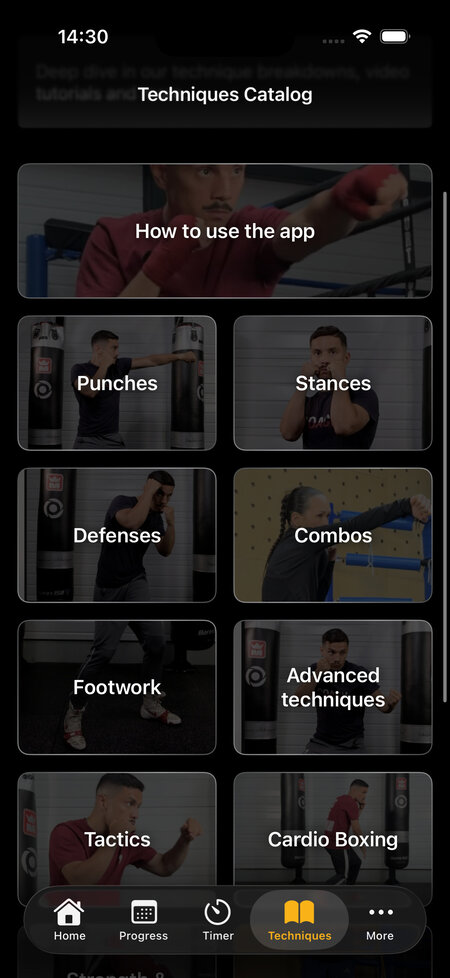
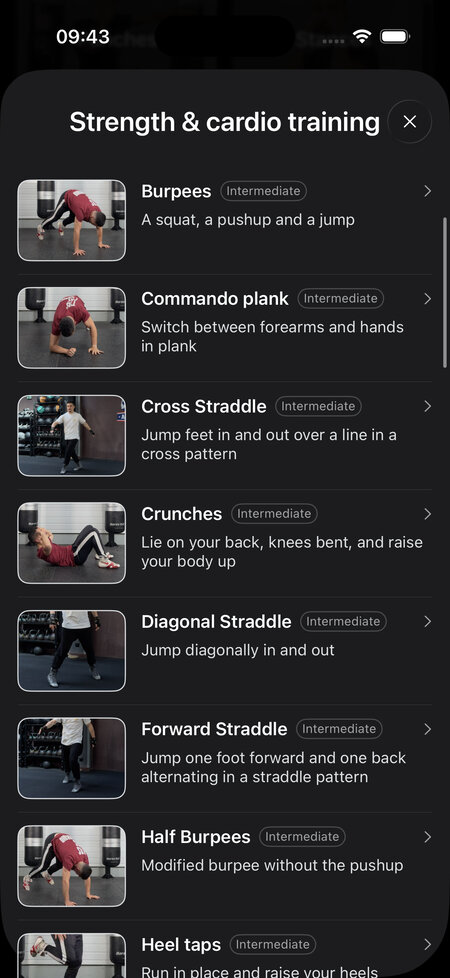
It maps onto the same three pillars a good gym trains. There is a dedicated Pad Work exercise and a deep library of technique drills for the technique side. The Strength and cardio training section handles conditioning when you cannot make it in. The Tactics work pushes you to mix things up and become less predictable, which is the home-training version of building fight IQ. There is even a free round timer for your own sparring or freestyle sessions. The point of shadow boxing between gym days is that you arrive warm, sharp, and ready to get coached, instead of spending half the class shaking off rust.
If you train on Android, the app is available there too with the same catalogue, drills, and timers.


A good gym is the single biggest accelerator for your boxing, and it is worth being picky about. Find one with a coach who watches you, an atmosphere you want to return to, an honest fit for your goals, and a sane approach to sparring. Then do the solo work between sessions to make every hour on the floor count.