
How to Pick a Speed Ladder for Boxing: Buy the Cheap One
Most boxing gear rewards spending a bit more. Better gloves protect your hands, better shoes hold the floor, a better bag doesn’t swing like a wrecking ball. The speed ladder is the exception. It’s a strip of flat rungs you put on the ground and step through, and a $15 one does the same job as a $60 one. Buy the cheap one and put the difference toward something that matters.
What you’re actually buying
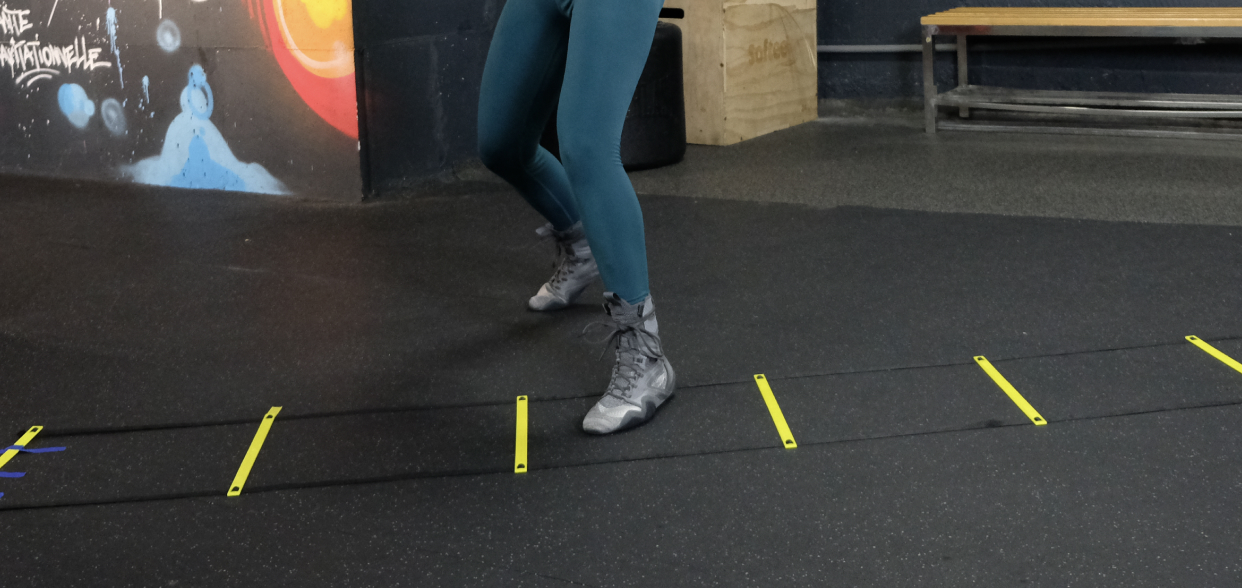
A speed ladder is two nylon straps with flat plastic rungs between them, usually somewhere between 12 and 20 feet long when rolled out. That’s the whole product. The rungs on most models slide along the straps so you can change the spacing, and some cheaper ones arrive with the spacing uneven, which takes about two minutes to fix by hand.
It’s also sold as an agility ladder or a footwork ladder. Same thing, different sticker. Don’t pay extra because one word sounds more boxing specific than the other.
Under $20 does the job
For $15 to $20 you get a ladder that lies flat, holds its spacing, and survives being stepped on by someone in boxing shoes. That’s everything the equipment needs to do. The rungs on pricier models are usually thicker and stay put a bit better, which is a real difference, just a small one.
There’s no reason to go past $30. Past that price you’re paying for branding, a coaching video you won’t watch, or a “pro” label. The rungs sit on the floor either way.
You could make a case for skipping the purchase entirely. Chalk lines on concrete work. Strips of tape on a gym floor work. Most people buy the ladder because rolling it out takes five seconds and chalk doesn’t survive rain, which is a fine reason to spend $15.
The carrying bag matters more than the ladder
This is the one spec worth checking. A ladder without a bag turns into a tangled mess in the trunk of your car or at the bottom of a gym bag, and a tangled ladder is a ladder you stop bringing anywhere.
Most cheap ones include a drawstring bag. Some don’t. Between two ladders at the same price, take the one with the bag. If yours came without one, any small drawstring sack does the trick.
Beyond that, two things worth a glance: rungs that lie flat rather than standing proud of the straps, because raised rungs are what people catch their toes on, and enough length that you get real work in. Anything around 15 feet is plenty for boxing drills.
What you can skip
- Weighted or “heavy duty” ladders. You’re not loading the equipment, you’re stepping over it.
- Ladders with built-in cones, hurdles, and resistance bands bundled in. The extras are usually the flimsy part of the kit.
- Anything with a QR code promising a training program. You’ll get better boxing drills from an actual boxing source.
- Fancy rung materials. Plastic is fine. It’s a plastic rung on the floor.
Why it’s worth owning at all
For a boxer, the ladder trains the two things that are hardest to fake: short precise steps, and cardio that doesn’t feel like cardio. Sloppy footwork gets exposed instantly when a rung catches your foot, and thirty seconds of fast feet has you breathing harder than a round of skipping. It packs down to the size of a water bottle, works outdoors, and costs less than a month of gym membership.
We built a full set of ladder content into the Shadow Boxing App this year: guided workouts, a tutorial video for every movement, and a five day Speed Ladder 101 program that starts from basic movements and works up to boxing combos on the ladder. The app calls out each drill with audio and on-screen text while the round timer runs, so you’re not standing there wondering what to do with the thing you just bought.
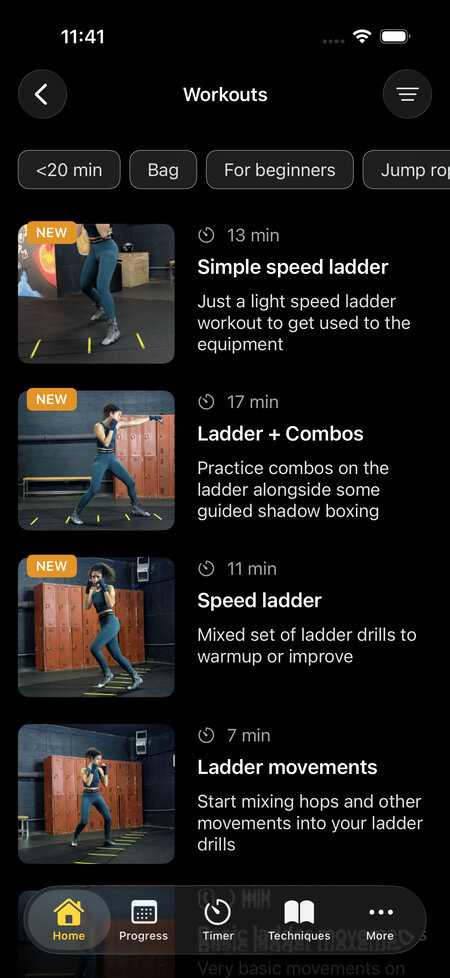
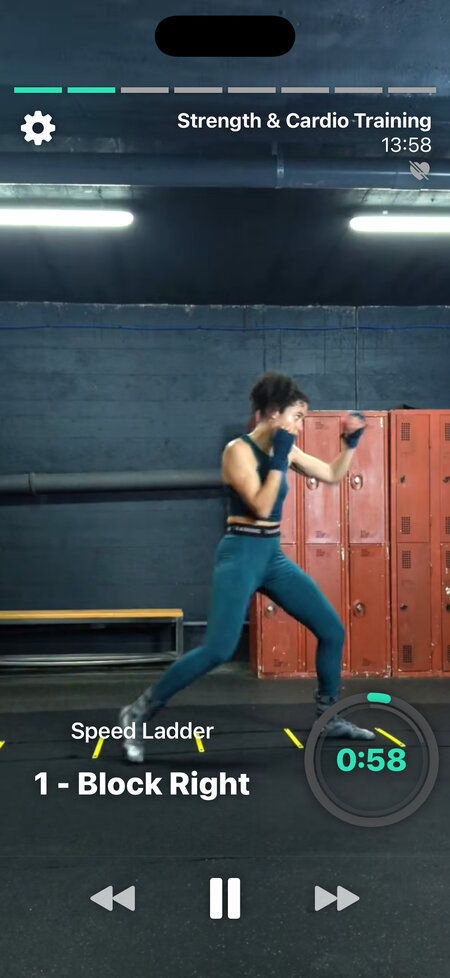
Once you own one, the new speed ladder workouts are the fastest way to get value out of it, and we wrote separately about what the ladder does for your boxing if you want the longer argument. It also pairs well with a jump rope, which is the other piece of cheap gear worth owning; we covered how to choose one a while back.