Body Combinations in Boxing: Six Combos Worth Drilling
A body shot thrown on its own rarely lands clean. The opponent sees you drop, tucks the elbow, and you eat a counter while you are still bent over.
Put the same punch in the middle of a combination and everything changes. The punches before it pull the guard up, the punches after it cash in on the guard coming down. That is where body shots earn their reputation, and it is why they are worth learning as combinations rather than as single punches.
Why body shots belong in combinations
We have written before about why body shots matter and more recently about changing levels between the head and the body. The short version of both: a guard cannot cover the head and the ribs perfectly at the same time, and a punch at one level creates an opening at the other.
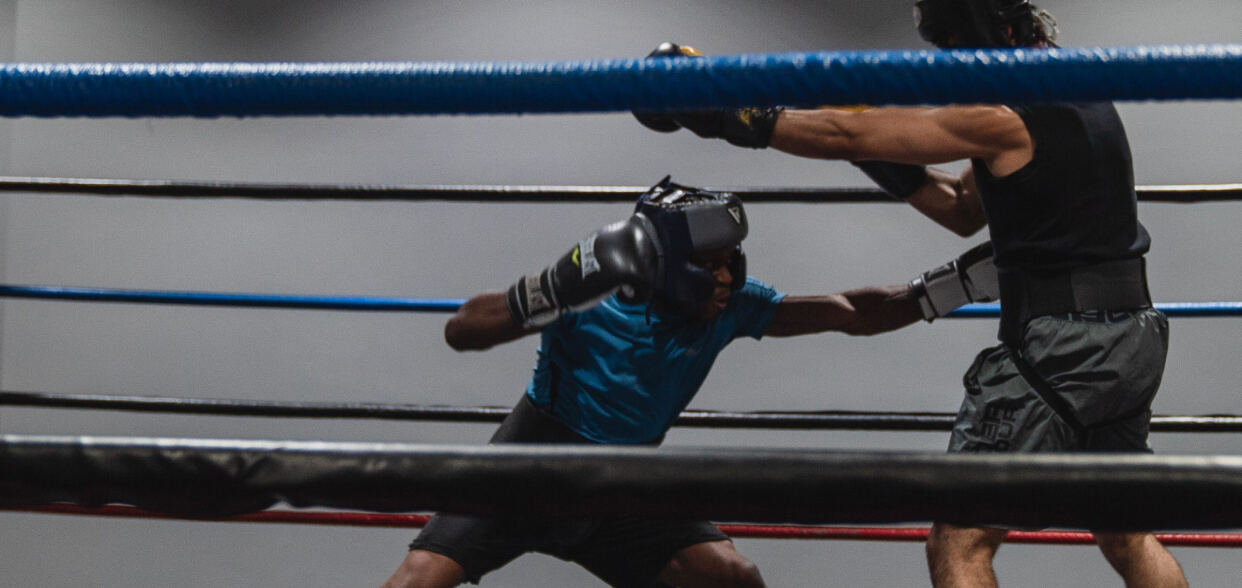
That is also why body shots are so much safer inside a combination than on their own. When you throw a lone body hook, you are dropping your level and committing your weight with the opponent’s hands free and their eyes on you. When the same hook comes after a jab and a cross, the opponent is busy. Their gloves are up, their chin is tucked, their attention is high, and the body shot arrives while they are still dealing with the straight punches. The combination buys you the half second you need to get down there and back up.
Six body combinations to drill
Numbers are the usual ones: 1 is the jab, 2 the cross, 3 the lead hook, 4 the rear hook, 5 the lead uppercut, 6 the rear uppercut. A “b” after a number means the punch goes to the body.
- 1 - 2b. Jab to the head, cross to the body. The simplest body combination there is, and the first one most coaches teach. The jab brings the guard up, the cross slides in under the lead elbow.
- 1 - 2 - 3b. The classic 1-2 followed by a left hook to the ribs. The two straight punches make the opponent cover high and square up, which opens the side of the body for the hook. If you only drill one body combination, make it this one.
- 1 - 1 - 3b. Double jab, then drop for the body hook. Works against someone who pulls their head back from the jab, because pulling back lifts the elbows and exposes the ribs.
- 2b - 3. Cross to the body, lead hook to the head. The cross makes them hunch forward and drop the lead hand. The hook arrives where that hand used to be. This one goes the other way, body first, and it is a good counter after you block or slip a jab.
- 3b - 3. Lead hook to the body, lead hook to the head. Same hand, two levels, no reset. Hard to read because the shoulder and hip look identical for both punches. Keep the body hook short and come straight up with the second one.
- 4b - 6. Hook to the body, uppercut to the head, both with the rear hand. The hook folds the opponent forward, the uppercut meets the head on its way down. This is the Mike Tyson combination, and we come back to it below.
Start with the first two, get comfortable, then add the rest one at a time. Do not try to drill all six in the same session; you will end up doing all of them badly.
Three rules for making them land
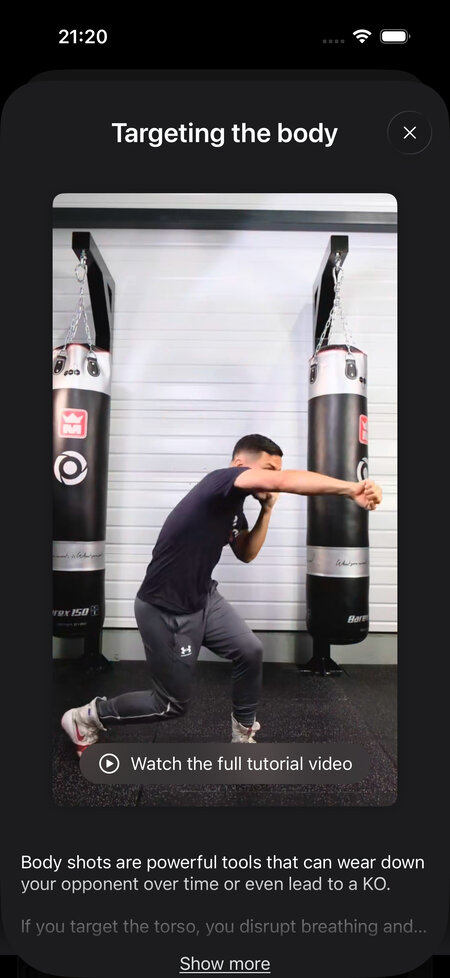
Bend the knees, not the back. The body shot has to come from a lower position, and the lazy way to get there is to fold at the waist. That puts your head forward and down, right in line for an uppercut. Sit down into the punch by bending your knees so your whole body drops at once, and keep your back close to straight. Your head should go down with your shoulders, not ahead of them.
Keep the other hand up. When the right hand goes to the body, the left glove stays on the cheek. Beginners tend to drop both hands when they throw downstairs because the whole upper body leans into the shot. Check it in a mirror. If your free hand is below your chin on a body punch, slow down until it stays up.
Come back up ready to throw. The point of most body combinations is the punch after the body shot, so the body shot cannot be a dead end. As soon as it lands, your legs should be driving you back up into the next punch. In the 3b - 3 above, the body hook and the head hook are one movement, down and up, not two separate punches with a pause in between.
What Mike Tyson did with them
Tyson stood 5 feet 10 inches in a division full of men who were 6 feet 3 and taller. He could not win a jabbing contest from the outside against those reaches, so his whole game, built with Cus D’Amato, was about getting inside and doing damage once he got there. Body punching was a big part of that. When you are a head shorter than your opponent, their ribs are at the height of your shoulders. The body is the closest target.
The combination everyone remembers is the hook to the body followed by the uppercut to the head. The logic is simple once you see it. A hard hook into the ribs or the liver makes the opponent do two things at once: the elbow on that side drops to cover the spot that just got hit, and the whole upper body folds forward over the pain. Folding forward brings the chin down and out over the feet, right into the path of a punch coming up the middle. The uppercut does not have to find the head. The hook has already moved the head to where the uppercut is going.
Tyson threw it with either hand. The version most people picture is the right hook to the body with the right uppercut straight after it, the same hand going down and then up with no reset in between, which is why so many gyms just call it the Tyson combo. He also threw it as a left hook to the body followed by a right uppercut, which is slower by one beat but hits with the rear hand and tends to be easier for beginners to learn first. Either way, the body hook came off a slip or a dip so it was already landing before the opponent knew where he had gone, and the uppercut arrived while they were still folded over.
There are two lessons in that for the rest of us.
- One is that the body shot was never the end of his combination. The hook to the body was the setup, and the uppercut was the point.
- The other is that he did not need to be tall or to have a long reach. He needed to get low, put his weight into the ribs, and come back up fast.
You do not need Tyson’s power to use the same structure. You need the knee bend on the hook and the discipline to throw the uppercut instead of admiring the body shot.
How to practice
Shadow boxing is where these combinations get built, because it lets you slow down and check the two things that go wrong most often: your head position on the body shot and your free hand. Pick one combination per round. Throw it slowly for the first thirty seconds, then at speed, then start moving between repetitions so the body shot comes off a step or a slip. If your style leans toward fighting at close range, our article on shadow boxing combos for inside fighters has more short-range work that pairs well with this.
On the heavy bag, aim at the lower third and put your weight into it. The bag is the only place you can find out whether your body shots have anything behind them, and it will tell you quickly if you are reaching with the arm instead of sitting down on the punch.
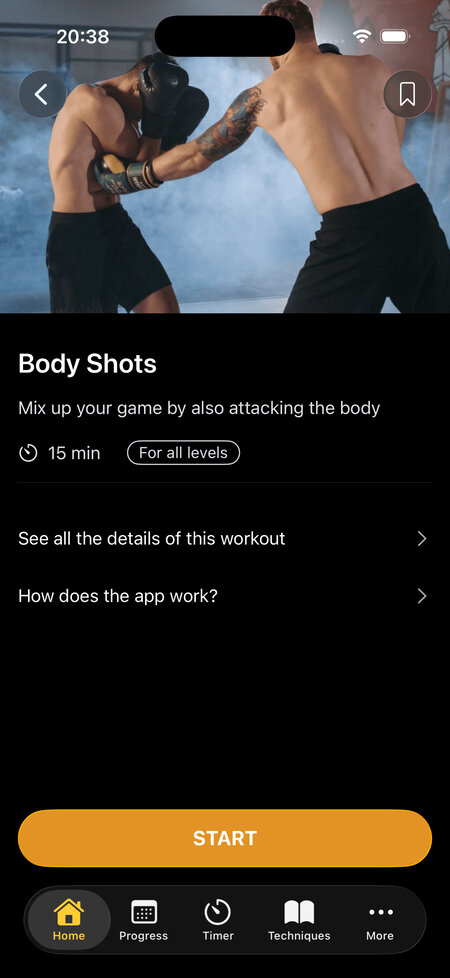
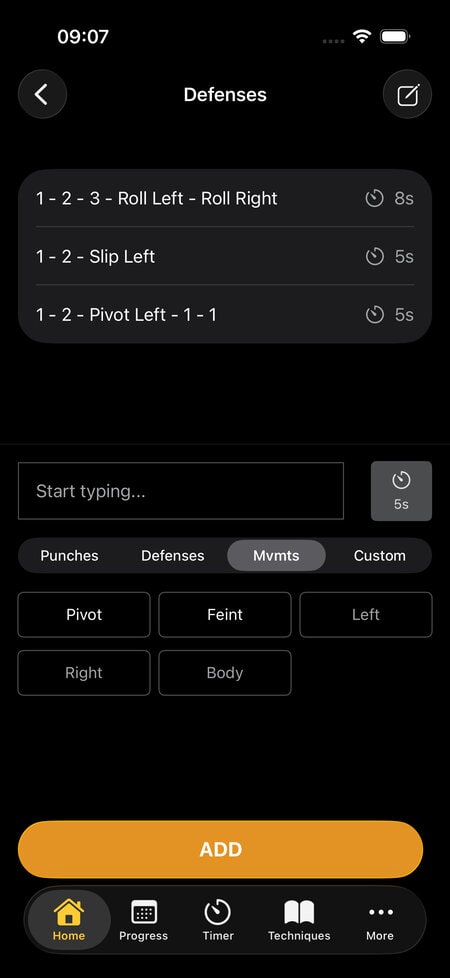
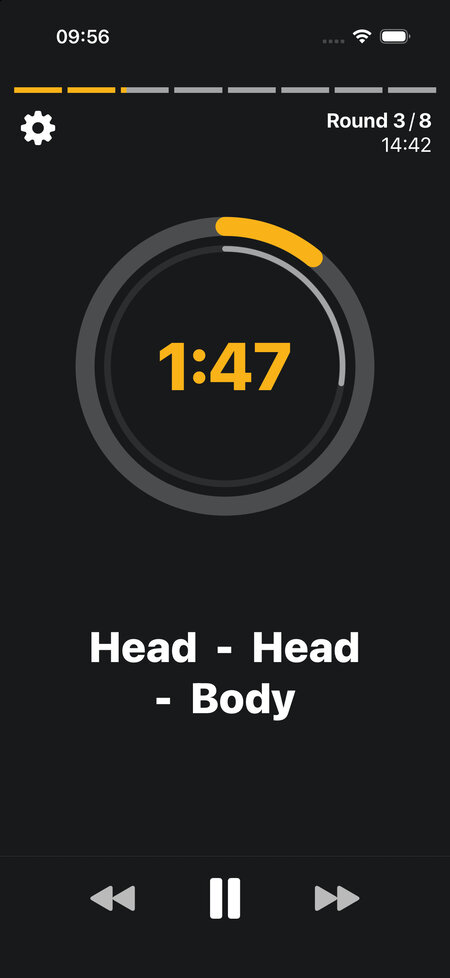
If you train with the Shadow Boxing App, the Body Shots workout is a 15-minute session built around exactly this: head and body targets mixed through the rounds so the level change becomes a reflex. For something more specific, the combo creator lets you add Body as a step inside any combination you build, next to the punches, defenses and movements. Build the sequence you want to drill, with the body callout placed where you want to drop down, and the app will call it out during a custom workout until the level change is automatic.
Learn the first two combinations well before you worry about the rest. A clean 1 - 2 - 3b that lands with your head in the right place is worth more than six combinations you throw with your chin in the air.