Boxing Clears My Head Better Than Meditation
Halfway through a sparring round, I couldn’t tell you a single thing that was on my mind when I walked into the gym. Work, the app, what we’re having for dinner, whether the kids will sleep tonight: all of it is gone. There’s a person in front of me trying to hit me in the face, and that takes up all the room there is.
Nothing else gets me there as reliably, and that includes meditation.
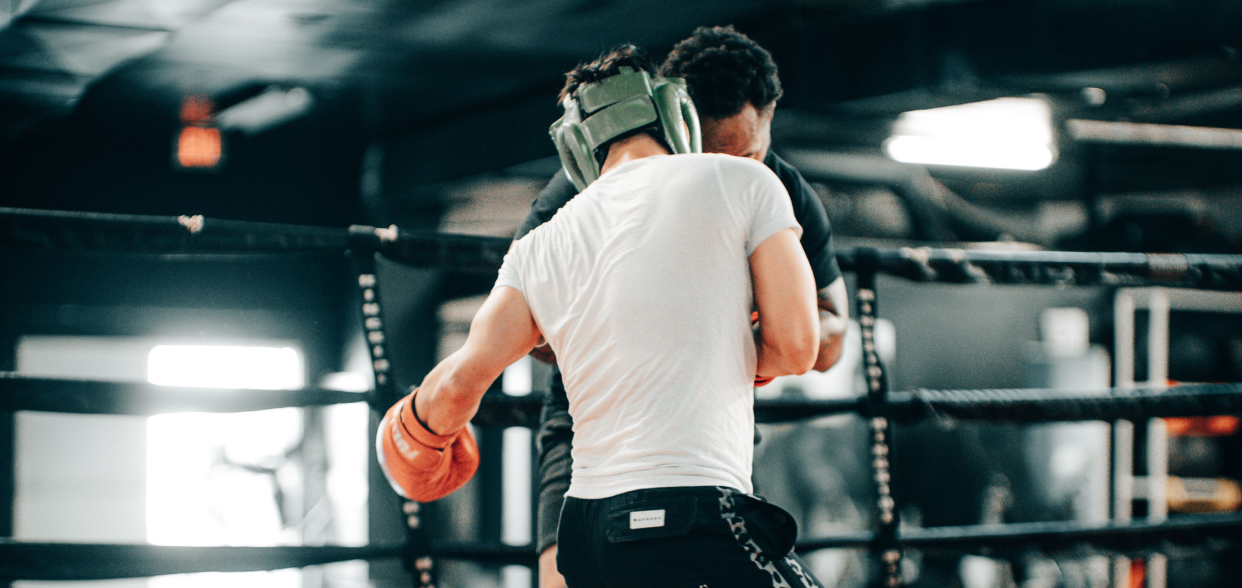
You can’t think about anything else when someone is punching at you
In most sports, your mind can wander and nothing much happens. You can run five miles while replaying a meeting in your head. You can lift, then check your phone between sets. Your body does the work and your brain goes wherever it wants.
Boxing doesn’t let you do that. The moment your attention drifts, you get hit, usually on the nose, and usually within a second or two. That’s a very strong reason to stay focused, and it works on you whether you want it to or not.
It’s also more than just watching for punches. You’re reading their shoulders and their feet, keeping track of the distance, noticing that they drop their right hand after they jab, thinking about your own guard, your breathing, where the ropes are. Every channel your brain has is busy with what’s happening in the next second. There’s no spare attention left for anything else.
Why boxing works better than meditation for me
Meditation asks you to notice when your mind drifts and gently bring it back to the present. Then do it again, and again. Plenty of people get a lot out of that, and I’m not here to tell anyone to stop.
My problem with it is that drifting is free. If my mind wanders for five minutes while I’m sitting on a cushion, nothing happens. I just come back to the breath a bit later. In boxing, drifting costs you right away, so the bringing back happens on its own, instantly, without any effort. I don’t have to try to be present. The opponent takes care of that for me.
What I get afterwards is the part I value most. When I leave the gym, my head is quiet. The things that were bothering me on the way in are usually still there, but they look smaller, and I can think about them more calmly than I could an hour earlier.
Good for your head, on top of everything else sport does
Boxing comes with all the usual benefits of training hard: cardio, strength, better sleep, coordination. We went through them in the benefits of boxing training. The mental side tends to get less attention, but the research on exercise and mental health is pretty clear.
A study of 1.2 million adults in the US found that people who exercised reported about 1.5 fewer days of poor mental health per month than people who didn’t, even after matching for things like age, income and physical health. It’s an observational study, so it shows a link rather than proof of cause. A 2023 overview in the British Journal of Sports Medicine, which pulled together 97 systematic reviews covering more than 1,000 trials, found that physical activity reduced symptoms of depression and anxiety, and that higher-intensity exercise tended to bring bigger improvements. A hard boxing session is high-intensity exercise by any definition.
I’d add something the studies can’t really measure: boxing gives you somewhere to put the frustration. A bad day goes into the bag, or into a few hard rounds, instead of staying in your shoulders all evening.
None of this replaces professional help if you’re struggling. If you are, talk to a doctor or a therapist. Boxing can sit alongside that, and for a lot of people it does.
When a sparring round flows
Then there’s the best part, and the reason I’d recommend boxing to anyone who asks.
Every now and then, you spar with someone at about your level and the round just flows. You slip a jab and your counter is already on the way. They block it and come back with something you saw coming, so you roll under it. Nobody’s trying to hurt anybody. You’re both working, both reading each other, both a little surprised by what’s coming out. Then the bell goes, it feels like the round lasted thirty seconds, and you’re both grinning behind your mouthguards.
Psychologists call this state flow: you’re completely absorbed in what you’re doing, time feels different, and you stop watching yourself from the outside. One of the conditions that keeps coming up in research on flow in sport is a challenge that matches your skill, and sparring shows exactly why. Against someone much better than you, you’re just trying to survive the round. Against someone much less experienced, you’re holding back the whole time and thinking about not hurting them. With a partner at your level, you can both commit, and that’s when it clicks.
It doesn’t happen every time. Some nights you’re stiff, you’re late on everything, and the round feels like a long three minutes. That’s part of it too, and it makes the good rounds better. You also can’t really get there in hard sparring, where you’re both too busy protecting yourselves to enjoy anything. It shows up in technical sparring, where the goal is to work and not to win.
If you’re new to boxing, don’t rush into sparring to chase that feeling. Get your basics in place first and spar when your coach says you’re ready. It’s worth the wait.
Getting some of it when you train alone
Most of my training isn’t sparring. It’s shadow boxing at home and bag work, and that’s where focus is harder to keep. Nothing hits back, so it’s easy to slide into autopilot and throw the same combos while your mind wanders off to your inbox.
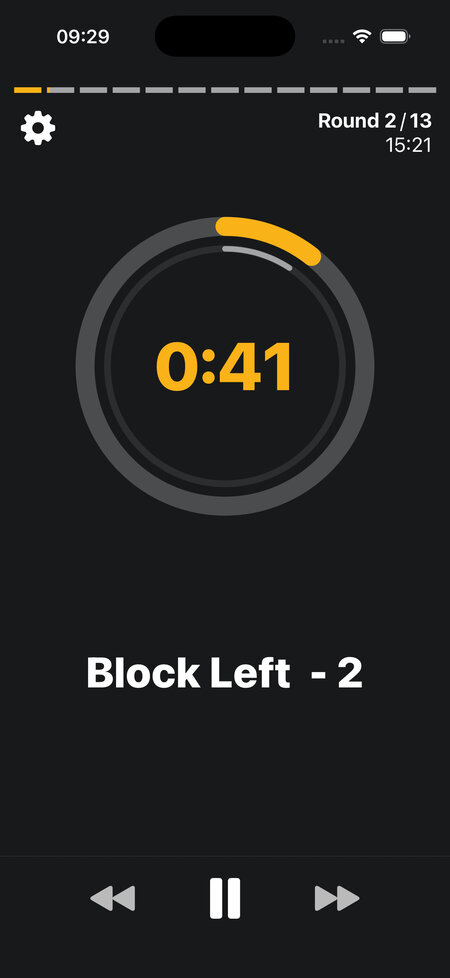
What helps me most is having something to react to. In the Shadow Boxing App, the callouts mix punches with defenses, so you hear “block, 2” or “1-2, slip” and have to do it right away. It’s not a person in front of you, but it does pull your attention back into the round. We wrote more about that in how the app keeps you in the moment.
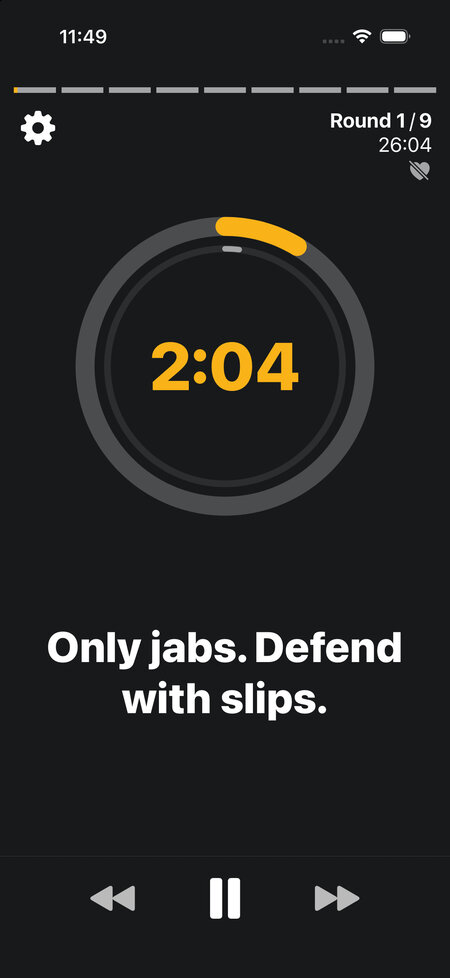
When you do have a partner, the guided sparring workouts give each round a rule, like only jabs with slips for defense. A clear goal for both of you is a good way to keep the round light and technical, which is the kind of round where flow tends to show up.
If you’ve never boxed, try it for your head as much as for your body. Go to a class, or start with a few rounds in your living room. Either way, for three minutes you won’t be thinking about anything else.