Why Having Real Boxing Coaches Behind the App Matters
Many fitness apps get their content from product teams with no background in the sport.
The Shadow Boxing App works with real boxing coaches, people who show up to the gym, stand in front of students, and teach. Their involvement in shaping the training programs makes a real difference, from how a workout is structured to how a tutorial video explains a jab.
What teaching real students teaches you
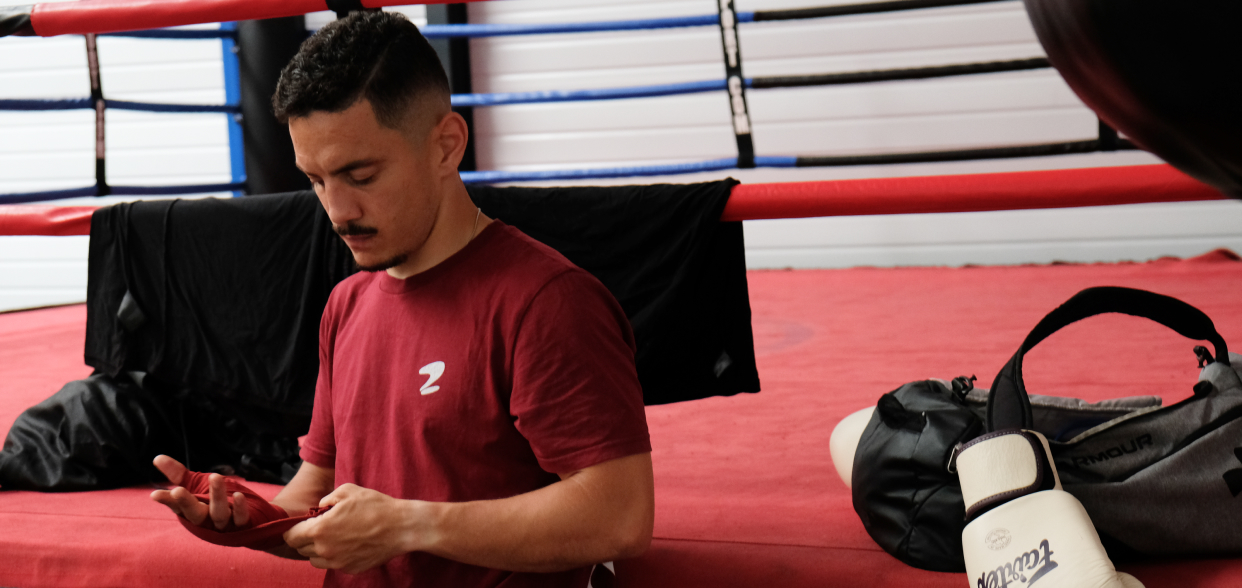
When you coach beginners in person, you learn things fast. You see where they freeze up, what cues land, and which progressions cause injuries or confusion. You notice that most people over-rotate on the cross before they’ve learned to keep their guard up. You discover that explaining footwork verbally doesn’t work; you have to show the angle first.
Those observations don’t come from reading about boxing or studying sport science. They come from watching hundreds of people try to throw a punch for the first time and figuring out how to help them get it right.
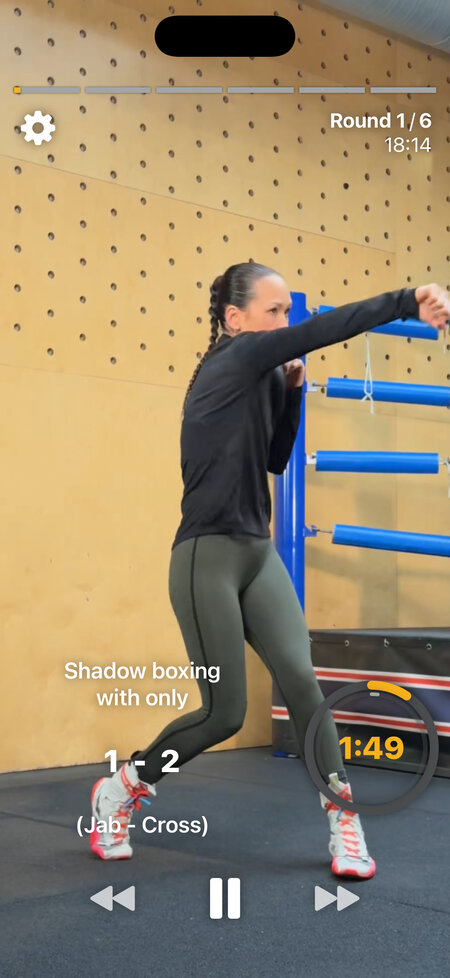
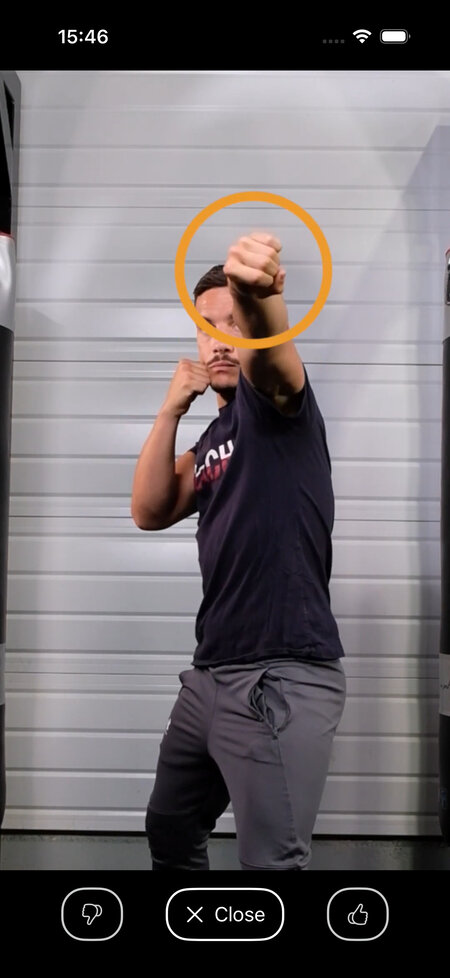
That’s the pool of knowledge the Shadow Boxing App draws from. The tutorial videos aren’t scripted from a theory book. They reflect what actually helps beginners move past the common sticking points. When a video shows you the stance before explaining the jab, that’s a deliberate choice based on what coaches know works in a classroom.
Workouts designed around real progression
There’s a big difference between a workout that looks good on paper and one that actually builds skill. In a gym, coaches learn this quickly: too much too soon leaves people lost, and staying too long on basics kills motivation.
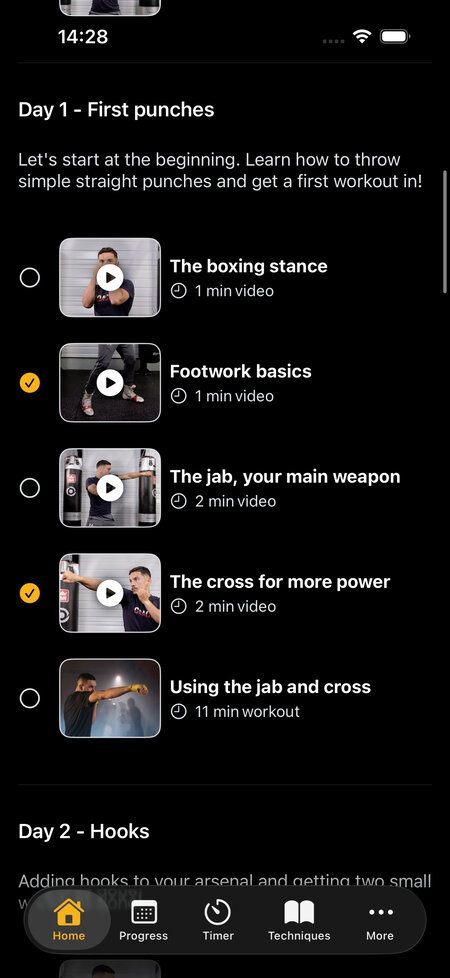
The boxing programs in the app are structured the same way a coach would structure a beginner’s first weeks of training. You start with the fundamentals, build combinations gradually, and mix in conditioning without losing focus on technique. The goal isn’t to exhaust you. It’s to help you improve.
If you’re just starting out, the beginner boxing programs walk you through the basics in a way that makes sense. If you’ve been training for a while, there are intermediate and advanced options that push the combinations further and raise the intensity.
Jump rope: same coaching approach
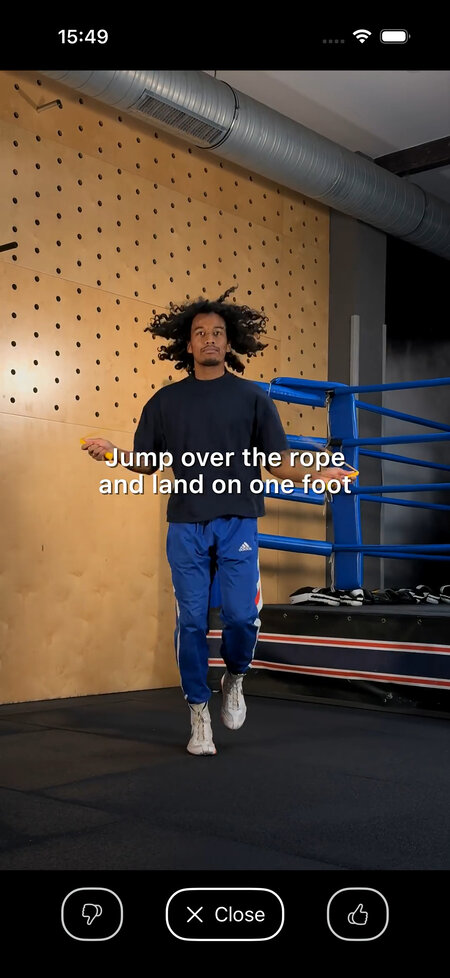
Jump rope is a big part of boxing training, and coaches know it’s also one of the most misunderstood. Beginners often skip it entirely or use it wrong: jumping too high, landing too hard, or doing it too fast before they’ve built the rhythm.
The jump rope programs in the app follow the same logic as the boxing content, grounded in what coaches actually see and teach. You build the basics first (consistent rhythm, proper posture, light landing) before moving into more demanding variations. The jump rope for boxing section has programs that go from beginner to advanced, built around how boxers actually use the rope in their training.
Why it shows up in the small details
App features like punch callouts, rest timing, and how combinations are built might seem minor. But they add up. A callout that comes too early throws off your rhythm. A combination that’s too complex for the level it’s listed under frustrates people. Rest periods that don’t account for how winded beginners actually get leave them behind.
Getting these right comes from experience in the gym, from running sessions and watching what happens. Having coaches involved in building the programs means those details get caught. Real students, real feedback, real adjustments over time.