
Our Stance on AI: The Boxing Workouts Stay Human
Every fitness app seems to have an AI story now, so people ask us where we stand. Fair question, and it deserves a straight answer. We do use AI, but only on one side of the app: the software side. Everything you actually train with, the workouts, the programs, the tutorial videos, the callout timing, comes from people who box. Here is how that split works in practice.
Where AI helps us
We are a small independent team, and building the Shadow Boxing App for both iPhone and Android is a lot of work. AI speeds up the development process: it helps us write code, check our copy, track down bugs, helps with translations and build internal tools faster than we could on our own. That means features ship sooner and problems get fixed quicker, which is a win for everyone using the app.
The coach voice you hear during workouts is also generated with AI. Recording every combo, exercise name, and instruction in every language the app supports would be impossible for a team our size, and generated speech keeps the callouts clear, consistent and customisable. What the voice says, though, and when it says it, comes from the humans designing the workouts.
That is the extent of it. AI writes some of our code and lends the coach its voice. It does not design your training.
Why the workouts stay human
A language model can produce something that reads like a boxing workout. It will have rounds, combos, rest periods, and it will look plausible on paper. What it cannot do is feel that a combination falls apart when you throw it at speed, or that the recovery round comes one round too late, or that a callout arrives before you have reset your stance. Those things only show up when a real person is sweating through the session.
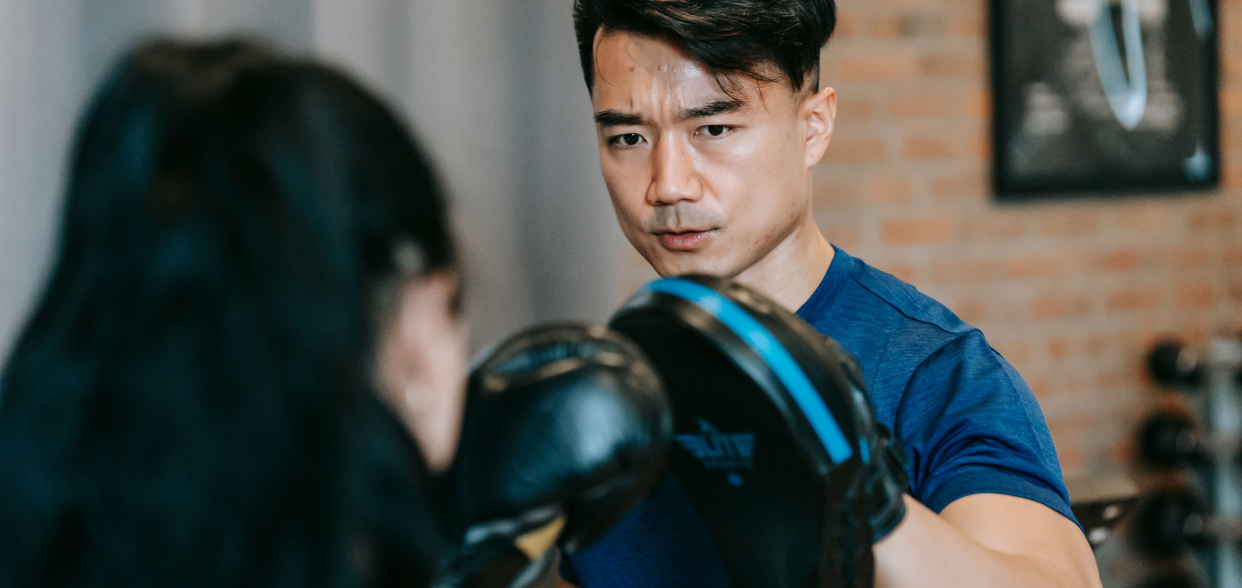
So we work with boxing coaches and real boxers to figure out what belongs in each workout. Coaches know where beginners get stuck because they watch it happen in the gym every week. We have written before about why having real coaches behind the app matters; the short version is that the difference shows up in every small detail, from how a program progresses to how long the rest between combos should be.
Before a workout makes it into the app, we run it with real people. We watch where they fall behind, which cues confuse them, and whether the intensity matches the level on the label. Then we adjust and test again. It is slower than generating content with a prompt, and the result is better for it.
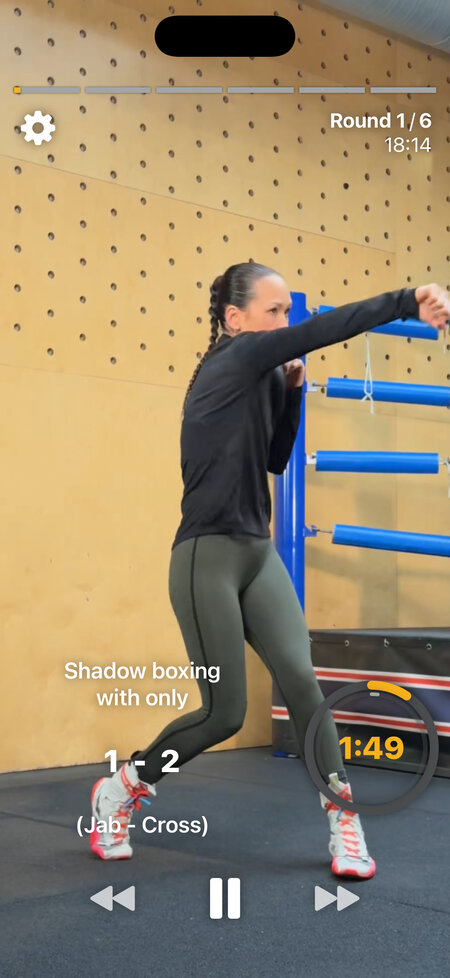
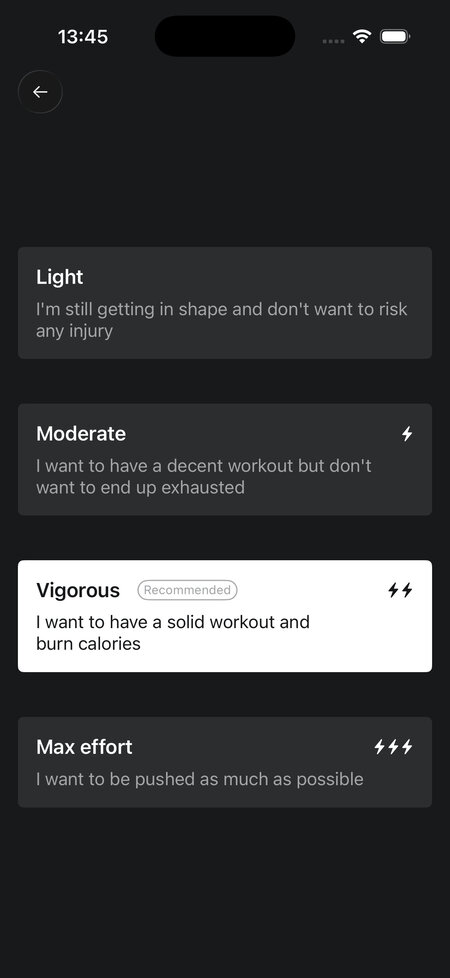
One nuance worth spelling out: the app does generate workouts, in features like Quick Start. But that generation assembles exercises that coaches designed and we tested with real people, using logic we wrote ourselves. No model is improvising your rounds. Every building block was proved by a human before the app was allowed to combine it, and even the algorithm doing the combining was created by a human and reviewed many times to make sure everything it produces makes sense.
Humans in front of the camera, humans behind it
All the tutorial and demonstration videos in the app are filmed by our own team, in a real gym, with real coaches and athletes in front of the camera. When you watch a jab breakdown or a jump rope demo, you are watching someone who actually teaches that technique. We covered the whole process in how we make the boxing tutorial videos, from planning the shots to filming between the heavy bags.
Generated video is getting impressive, and we still have no plans to use it for training content.
Form matters in boxing. A demonstration with slightly wrong mechanics teaches you slightly wrong mechanics, and a model does not know the difference. A coach does.
New ideas go through the same process
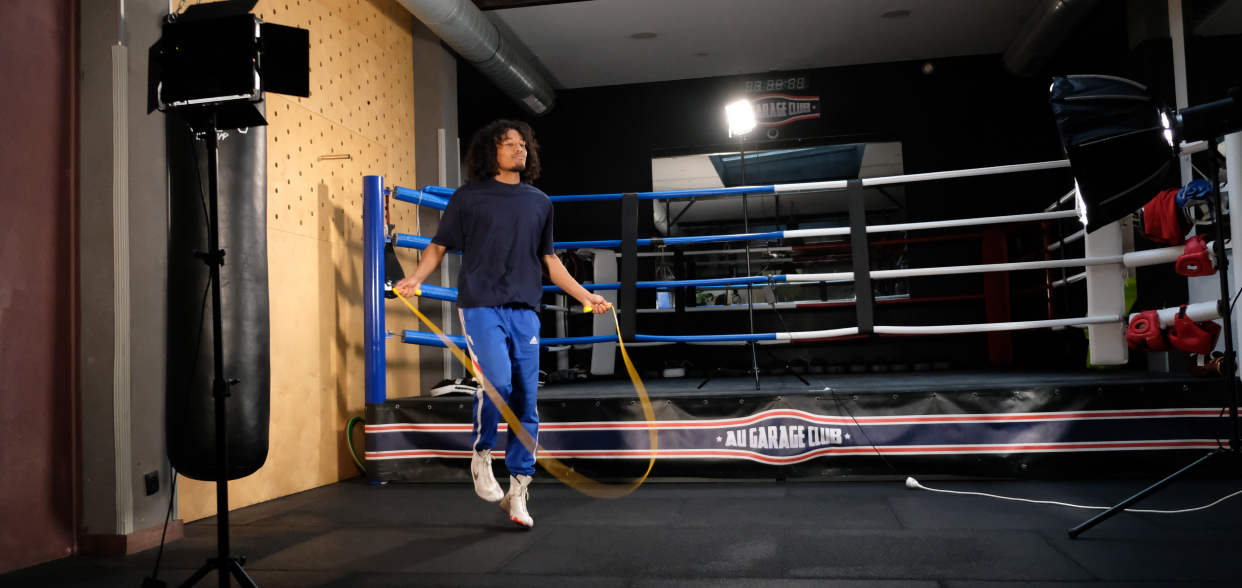
That way of working is not limited to boxing content. When we get an idea for something new, like jump rope back then or speed ladder work more recently, we start by admitting we are not the experts. We find people who are: coaches who teach that discipline, local gyms willing to work with us, and the athletes who train there. They tell us how the skill is actually learned, in what order the progressions come, and what beginners get wrong first.
Then we shoot videos with those athletes and put our teaching approach in front of real people before anything ships. If a drill confuses them or a progression moves too fast, we rework it and test again. The jump rope programs in the app came out of exactly that process, and whatever we add next will go through it too.
The whole team boxes
This part is simple: everyone on the team practices boxing regularly. We run the app’s workouts ourselves, week after week. That is often how rough edges get caught, because a timing issue or an awkward combo is obvious when you are the one in round six with your arms burning.
It also keeps us honest about what we build. Features get judged by whether they help an actual training session, and we feel it first, before any user does.
Sometimes the two sides of this article end up in the same room. Here is what a coding session can look like at our place: working at a standing desk, pausing every time the app calls out a combo to test it for real.
And we listen to you
The other humans in this story are the people training with the app. Feedback comes in every day, through reviews, emails, and messages, and we read all of it. When someone points out a combo that feels off, a confusing screen, or an exercise they wish existed, we listen and make adjustments when it makes sense. Plenty of what is in the app today started as a suggestion from someone mid-training.
That back and forth is the point. We want to build a community of people who box, who push each other, and who help shape where the app goes next. A pile of AI-generated workouts will not create that. People stick around because there are humans on the other side who train like they do and answer when they write in.
So that is our stance. AI is a useful tool for building software, and we will keep using it that way. The training itself stays with coaches, boxers, and people willing to test every round in person. If you want to see what human-proved workouts feel like, the app is free to try.