
Defensive Techniques in Boxing and How the App Covers Them
Most beginners spend the first few months focused entirely on punching. That makes sense: the punches are what drew you to the sport. But defense is what separates someone who boxes from someone who just throws shots. Without it, your offence has no context, and your combinations become predictable fast.
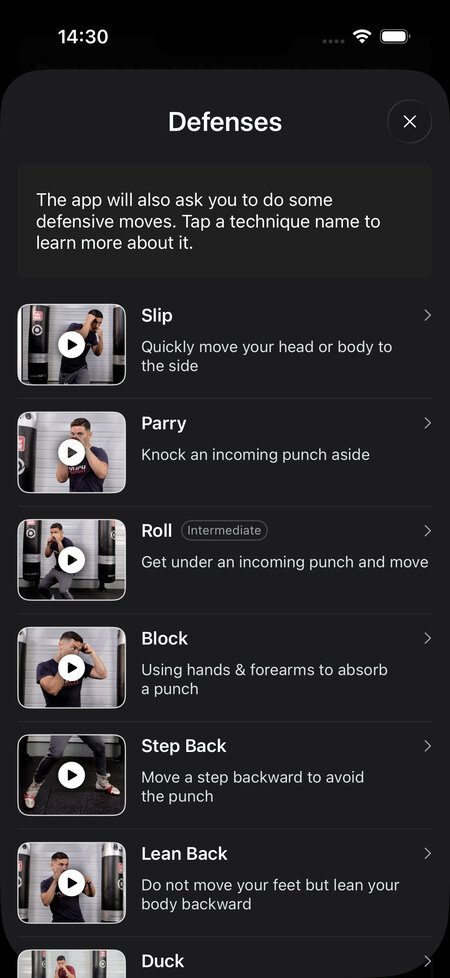
The Shadow Boxing App has a full defense section in the technique catalogue with tutorial videos for each movement, and defensive exercises are built into workouts at every level.
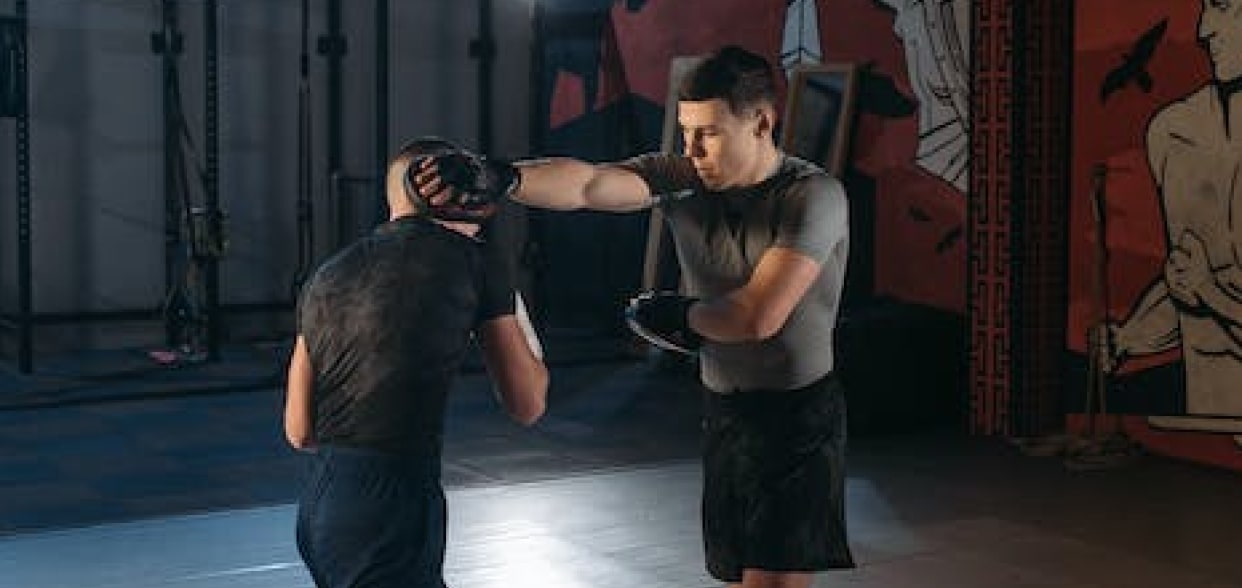
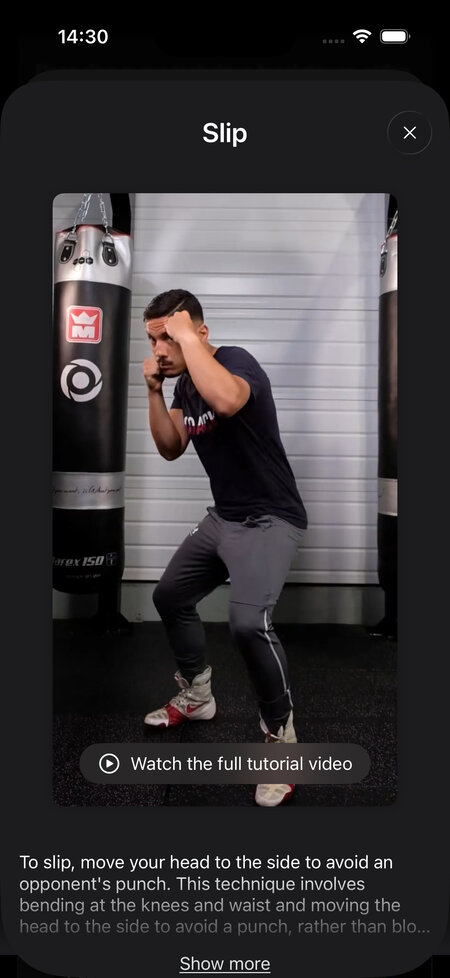
The slip
The slip is the most fundamental defensive movement in boxing. You move your head off the centerline, either left or right, so an incoming punch passes by your head rather than landing on it. It is a small movement: a rotation of the hips and shoulders that shifts your head a few inches to the side.
What makes the slip useful beyond the obvious is what it sets up. Slipping outside a jab puts you in position for a right hand or left hook counter. Slipping inside a cross opens the body. Most counters in boxing start from a slip, which is why drilling it matters even if you are only shadow boxing and nobody is punching at you.
The roll
The roll moves your head down and under a punch rather than around it. You bend your knees slightly and drop, then come up on the other side of the punch. It is more useful against hooks than straight punches, since a hook travels horizontally and gives you a clear path to roll under.
Like the slip, the value of the roll is the position it puts you in. Coming up on the inside after rolling under a hook often leaves you close enough to dig a left hook to the body or drive a right hand to the head.
The check hook
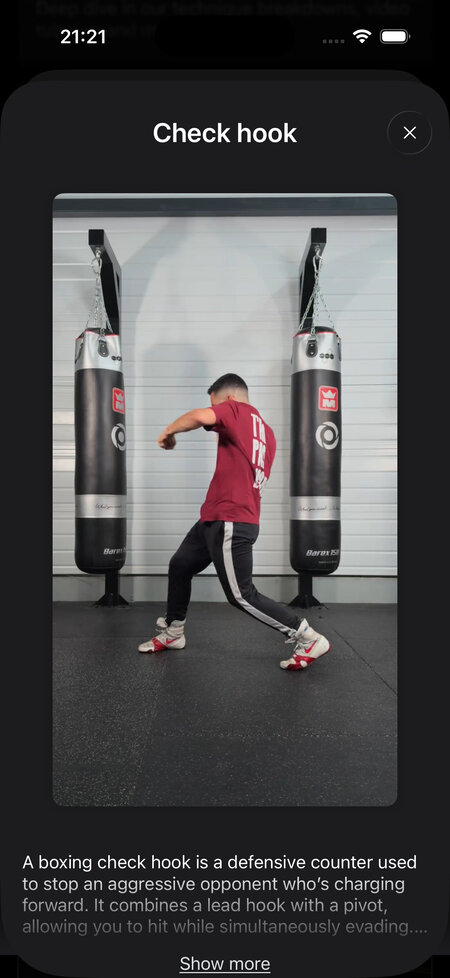
The check hook is a more advanced technique: a lead hook thrown simultaneously with a pivot that moves you off the centerline. Used against an aggressive opponent who is closing distance, it lets you land and move at the same time so they walk into the punch and you end up behind them.
It requires timing and the pivot mechanics to be solid before it works cleanly, which is why it shows up in the technique catalogue as an advanced punch rather than a beginner one.
The pivot
The pivot is a footwork movement: rotating on your lead foot to change angle while staying in range. You stay in the same spot but your position relative to your opponent changes completely. Off the pivot you can land punches to angles they are not guarding, or simply move to a safer position.
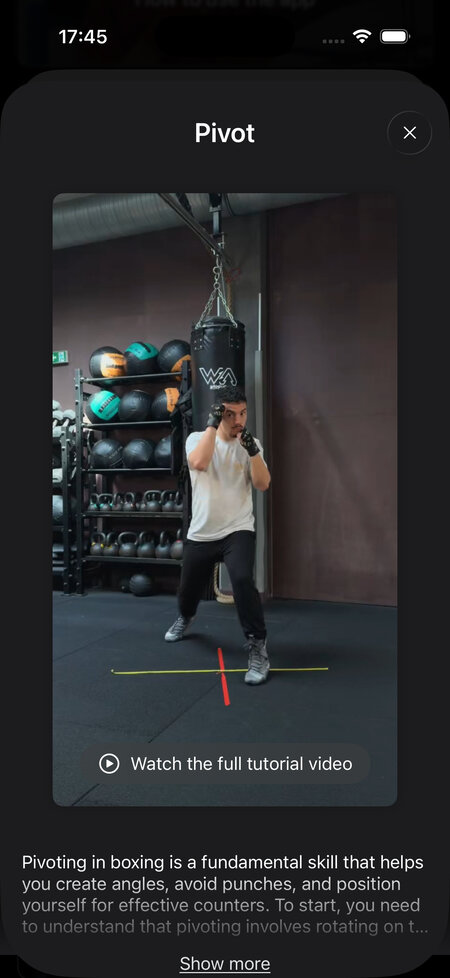
The pivot is foundational for the check hook, and it pairs well with feints and the L step.
The L step
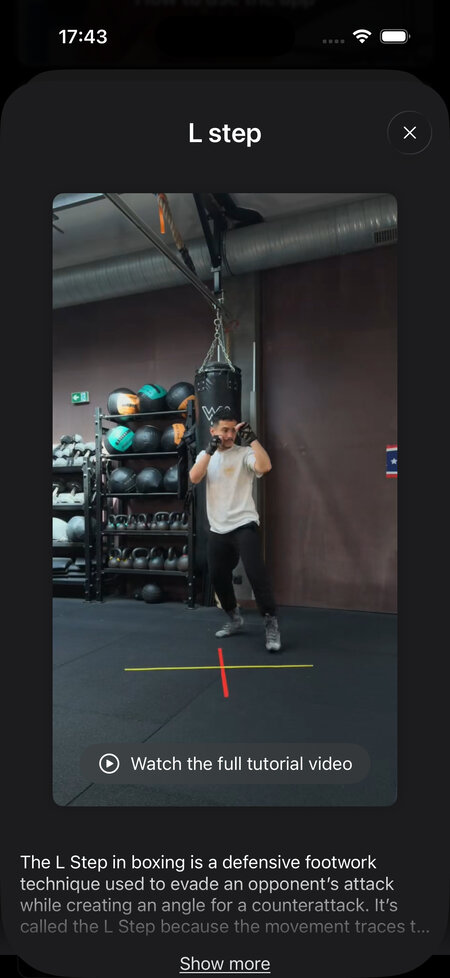
The L step moves you sideways and then forward or back in an L-shaped path, which takes you off the direct line of attack. It is a defensive footwork technique that also creates a counterattack angle. The movement traces an L because you step to the side first, then forward or back, ending up beside or behind where you started.
The block
The block uses your hands and forearms to absorb a punch rather than avoid it. It is the most basic form of defense: you keep your gloves up and let the incoming punch land on your guard instead of your face or body.
A high guard blocks hooks and crosses to the head. Dropping the elbow protects the body. The block does not require timing or movement to work, which is why it is usually the first defensive technique beginners pick up. The limitation is that absorbing punches through your guard still has a cost: the impact transfers, and a fighter who only blocks without slipping or rolling will tire and get hurt eventually.
That said, a solid guard is the foundation everything else is built on. Slipping, rolling, and pivoting all start from guard position and return to it. Getting comfortable holding your guard up correctly before working on the more dynamic defensive movements is the right order.
Practicing defense without a partner
The main challenge with defensive work is that most of it is reactive. You slip a punch that is coming at you. You roll under a hook. Without a partner throwing at you, it is easy to drill the movement with no urgency or feel.
The way around this in shadow boxing is to treat every punch as if there is a counter coming. Slip before your jab occasionally. Roll after a combination. Add a pivot when you throw a hook. The app’s defense exercises build this habit by calling out defensive movements alongside punches, so you practice the reflex of moving, not just the mechanics.
If you want a structured approach, the app has a dedicated program called Improve Your Defense that runs three days and covers the core movements through video and progressive workouts, from basic slips and rolls to counters and reactions.