
Beginner Boxing Combos
If you’re new to boxing, learning basic combinations (combos) is one of the fastest ways to improve. Combos help you build rhythm, coordination, cardio, and—most importantly—good habits.
This article is written for true beginners: no jargon overload, no complicated setups. Just clear, effective boxing combos you can practice at home or in the gym.

Boxing Combos and The 4 Basic Punches
A boxing combo is a sequence of punches thrown one after another without stopping. Instead of thinking punch by punch, you think in flows.
Example: “Jab → Cross” instead of “Jab… stop… Cross”
Before combos, let’s align on punch numbers (this is standard boxing notation):
- Jab – Lead hand, straight punch
- Cross – Rear hand, straight punch
- Lead Hook – Lead hand, horizontal
- Rear Hook – Rear hand, horizontal
If you’re orthodox (left foot forward): Jab = left hand, Cross = right hand. If you’re southpaw, it’s reversed.
If you are not familiar with the different punches, check out our boxing fundamentals guides.
Beginner Boxing Combos
Combo #1: Jab – Cross (1–2)
This is the most important combo in boxing, and used very commonly.
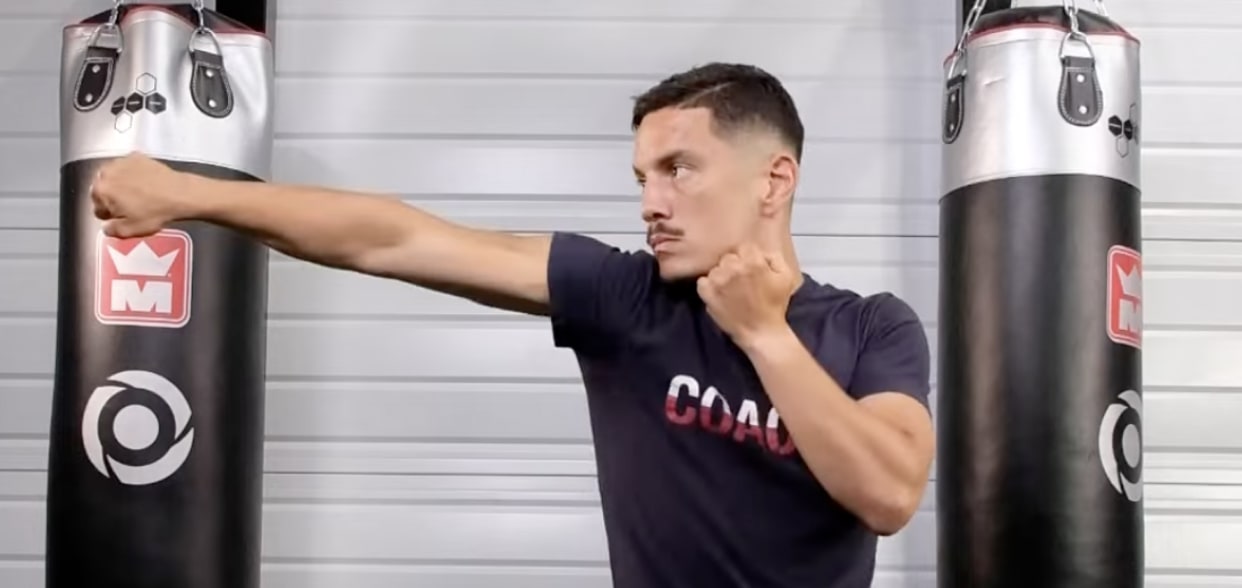
Why it matters:
- Builds balance and coordination
- Teaches hip and shoulder rotation
- Foundation for all future combos
- Ends with a powerful cross, perfect for actual combat
How to throw it:
- Snap the jab straight out
- Rotate hips and shoulders into the cross
- Bring both hands back to guard
Beginner tip: clean technique matters more than speed.
Combo #2: Jab – Cross – Jab (1–2–1)
A great combo to build rhythm and range control.
Why it’s great:
- Keeps you active
- Trains fast hand recovery
- Perfect for shadowboxing
Key focus:
- Light, fast jabs
- No need for power on the last jab
Combo #3: Jab – Cross – Lead Hook (1–2–3)
Your first combo with a rotational punch. Perfect to bypass your opponent’s guard.
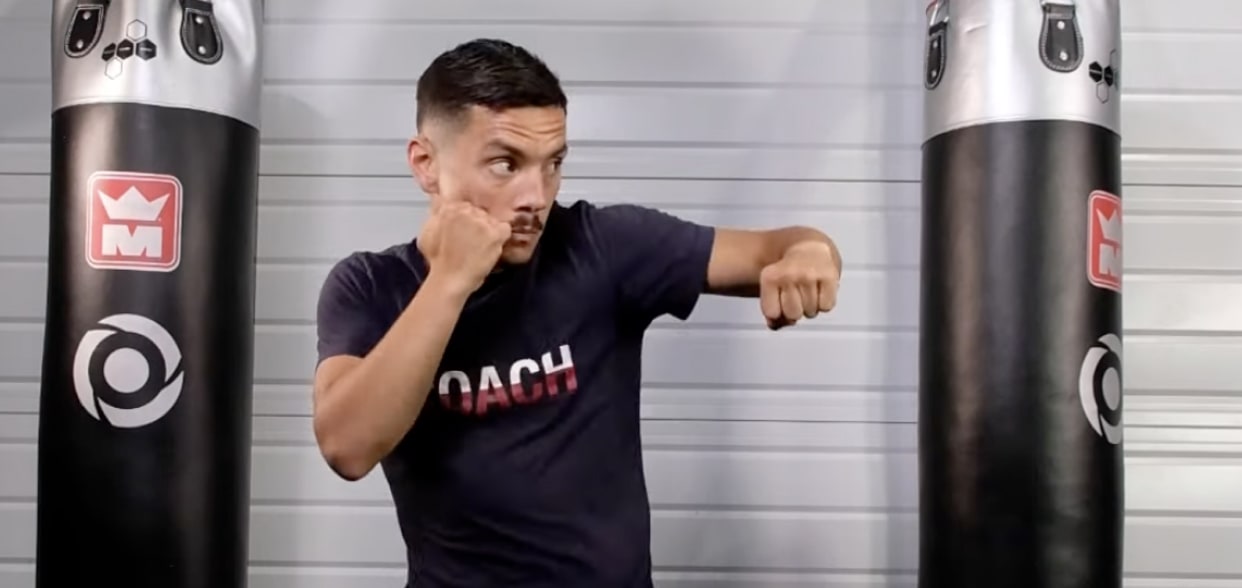
What you learn:
- Weight transfer
- Proper hook mechanics
- Staying balanced while rotating
Common mistake: Swinging the hook too wide. Keep it short, tight, and controlled.
Combo #4: Jab – Lead Hook – Cross (1–3–2)
This combo feels awkward at first, which is exactly why beginners should practice it.
Why it’s important:
- Breaks predictable patterns
- Improves coordination
- Teaches punch transitions
Pro tip: Slow it down at first. Speed comes naturally later.
Combo #5: Double Jab – Cross (1–1–2)
Simple, effective, and very realistic. The jab disrupts, and you end with a powerful cross.
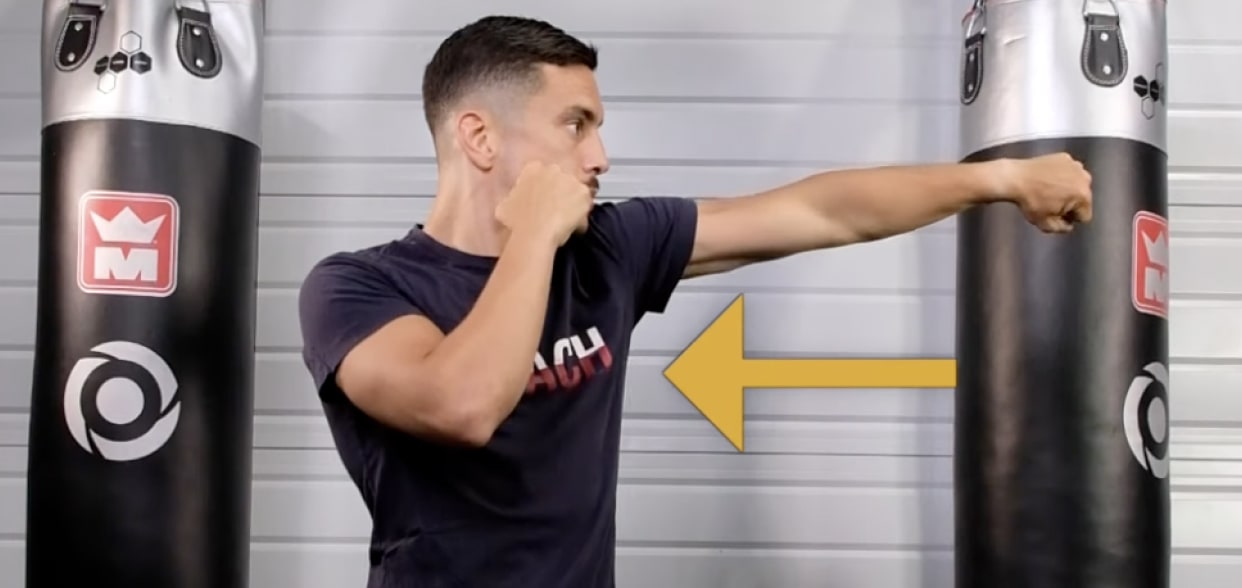
Why it works:
- First jab measures distance
- Second jab distracts
- Cross lands with better timing
Beginner focus: First jab light, second jab sharper.
How to Practice These Combos as a Beginner
Shadow boxing is a great option. You can practice it on your own or with a boxing app. If you’re not sure which one to pick, you can check our list of the best boxing apps for 2026.
- 2 to 3 rounds of 2 minutes
- One combo per round, with some isolated punches
- Focus on form, breathing, and balance
Heavy bag:
- Start slow
- Reset your stance after each combo
- Exhale on every punch
Mental rule: If your guard drops, slow down.
How Many Combos Should You Learn?
Five combos are enough to start.
Mastering a few basics beats knowing many poorly. Once these feel natural, you can add:
- Body shots
- Head movement
- Speed and intensity
- Uppercuts
There is virtually an infinite number of combos, the goal is to be able to have a few ones committed to muscle memory, and then be able to improvise. To get there, you can also practice with an app like The Shadow Boxing App that will call out combos.
Final Advice
Boxing isn’t about hitting hard. It’s about flow, balance, and consistency.
Practice these beginner combos regularly and you’ll feel progress quickly, even without a coach.
Smooth first. Fast later. Powerful last. 🥊