
The Different Kinds of Hooks in Boxing
The hook seems straightforward until you start paying attention to how different trainers teach it. Some tell you to rotate your palm down at impact. Others say keep it vertical, thumb up. Both camps have a point, and the debate comes up often enough that it’s worth understanding what’s actually happening.
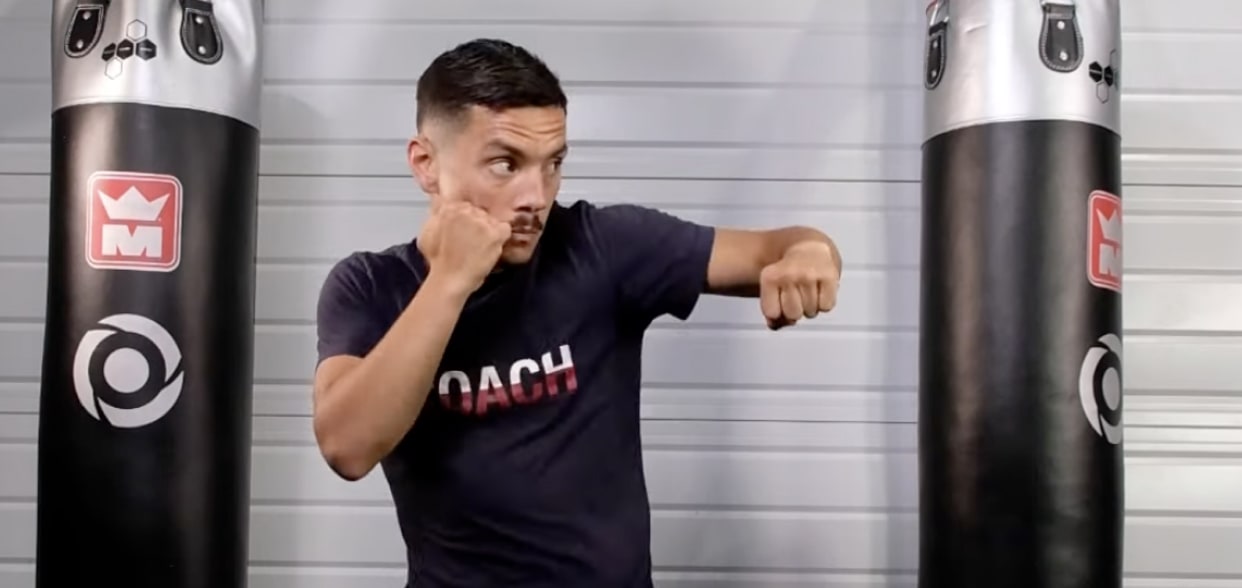
The Main Options
The Palm-In Hook
This is what most boxers use, especially in the US. Your fist stays upright at impact, thumb pointing up, knuckles facing the target horizontally. The elbow stays around shoulder height, the arc is tight, and the punch snaps through rather than sweeping wide.
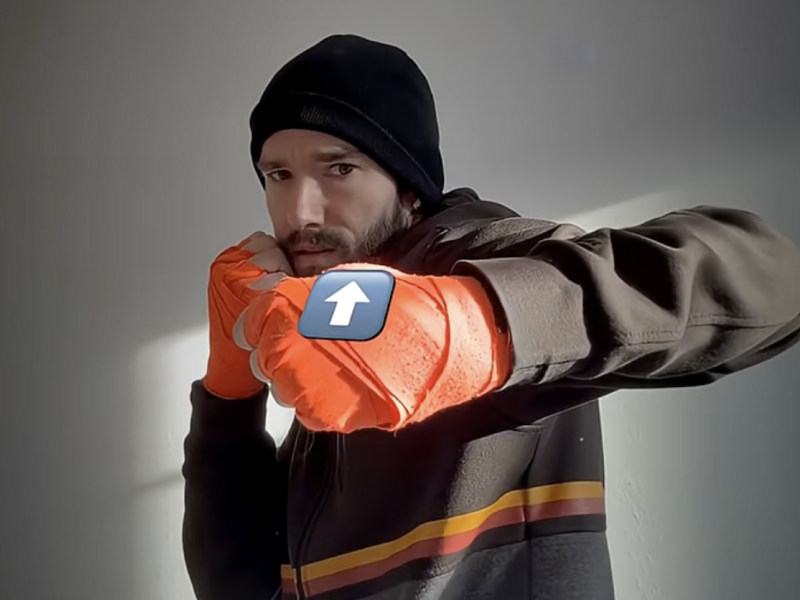
It works at close to medium range. Because the fist doesn’t need to rotate all the way to palm-down, the punch can be thrown in a more compact space, which matters a lot in an actual exchange. Most professional fighters default to this version, and if you watch combinations at close range, it’s usually a palm-in hook doing the work.
This version is sometimes called the American-style hook or the vertical hook.
The Palm-Down Hook
Here your fist rotates so the palm faces the floor at the moment of impact. The arc is wider, the elbow comes up a bit more, and the shoulder gets more involved in the rotation.
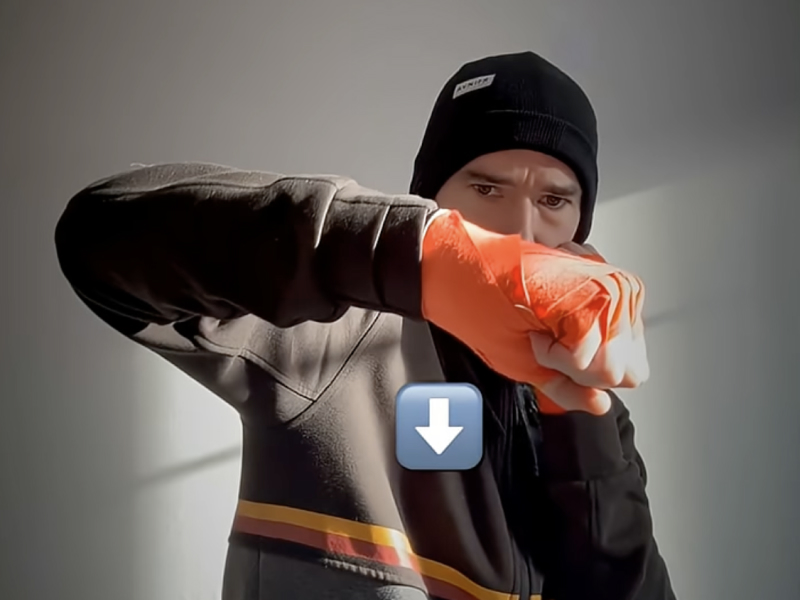
Some trainers prefer teaching this version because the mechanics connect more directly to hip rotation: as your hips turn, your forearm follows, and the palm naturally rotates down. It also tends to feel more structurally solid on impact for some people, with less wrist wobble.
The tradeoff is that it needs more space. If someone is pressing close, the palm-down rotation becomes awkward and the punch loses its snap.
This version is often called the European-style hook, and you’ll see it emphasized more in technical boxing education, particularly in certain national coaching systems.
Which One to Use
Honestly, it depends, and that’s not a cop-out. Both versions work at the highest level of the sport. The real question is what range you’re fighting at and what feels natural after reps.
If you’re at medium range with space to rotate, the palm-down version can generate a lot of force. If you’re on the inside or need a faster, tighter punch, the palm-in version fits better. A lot of experienced boxers have both available without consciously switching between them; the range and the moment dictate which one comes out.
This debate is covered well in this video comparing the two styles. If you’re building your hook from scratch, this tutorial walks through the mechanics step by step. For a full breakdown of how to throw a hook from the ground up, the guide to mastering the hook covers stance, rotation, and guard in detail.
Other Hooks
The Shovel Hook
When you drop the palm-in hook to body level, aimed at the ribs or liver, it becomes a shovel hook. The fist stays vertical, the angle is still mostly horizontal, and the punch digs in rather than swinging around. It’s different from an uppercut because it’s not coming upward; it’s more of a short, hooking motion at torso height.
It fits naturally after slipping a punch and finding yourself on the inside, or as a follow-up to a head hook that draws the elbows up.
The Check Hook
The check hook is a different animal. It’s a lead hook thrown while pivoting away, timed to catch an opponent who’s coming forward aggressively. You throw the hook as you rotate out to the side, so you’re landing the punch and exiting the line at the same time.
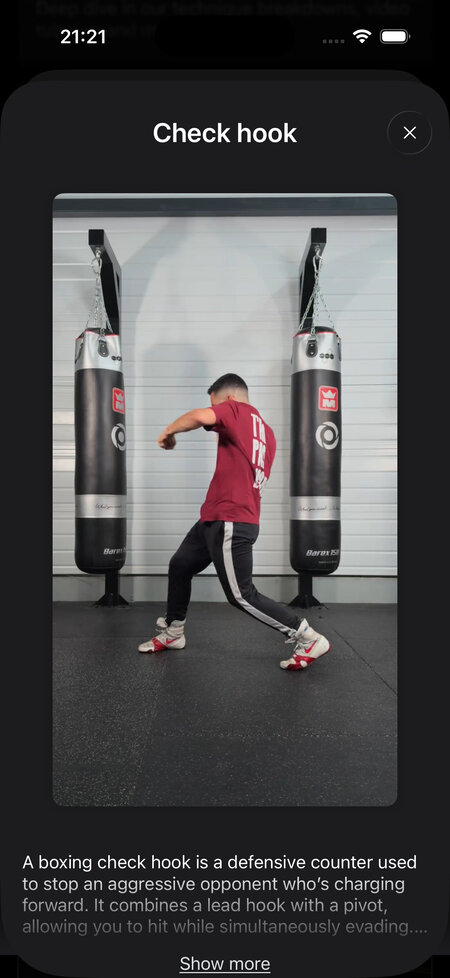
It’s a more advanced technique because the timing has to be precise. Throw it too early and it misses. Too late and you’ve already been hit. When it works, it’s one of the more satisfying punches in boxing: your opponent walks into their own forward momentum and you’re already gone.
If you want to drill any of these in shadow boxing, the Shadow Boxing App has hook-specific exercises you can run on your own. Repeating clean reps without a partner is one of the better ways to lock in the mechanics before taking it live.