
Boxing Is Not About How Many Punches You Throw
Punch count is easy to measure and easy to optimise for. You keep throwing, the number goes up, the session feels productive. The problem is that boxing is not a sport where volume is the point, and chasing a high count can quietly build habits that will get you hurt.
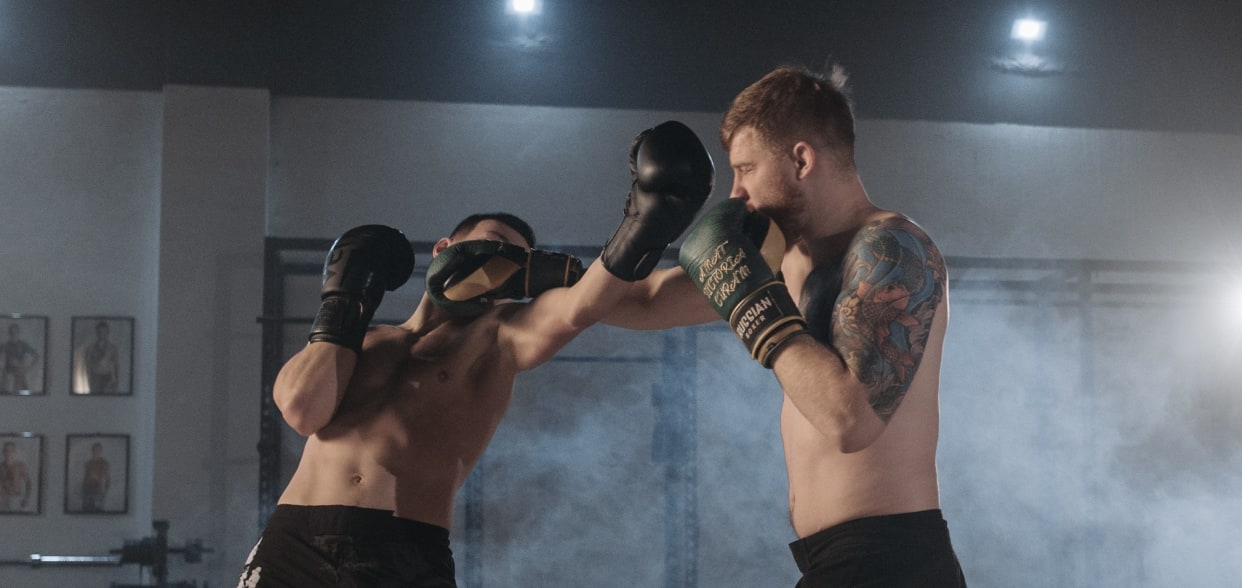
Why 500 punches can mean nothing
Throwing a hundred poor punches is easier than throwing ten good ones. The arm is loose, the guard is down, there’s no weight behind anything. It feels like training. It isn’t, really.
A punch thrown without your weight behind it, without a proper stance, without your guard returning afterward, doesn’t build boxing ability. It builds the habit of throwing like that. Do it enough times and that’s what comes out under pressure.
Beginners are especially at risk here. The number feels like progress. “I did 500 punches today” sounds like a solid session. But if those punches were arm punches thrown with an open guard and no footwork, the session mostly reinforced poor mechanics.
What boxing is actually about
Watch a high-level fight and count the punches. Elite boxers often throw far less than you’d expect. What they do throw tends to land, or create a reaction, or set up the next exchange. The work is in the spaces between punches.
A few things that matter more than volume:
Guard. Every punch you throw leaves you momentarily open. Getting back to guard quickly, consistently, under fatigue: that’s the skill. You can throw three punches with a solid guard return, or throw ten with your hands dropping each time. The three are better boxing.
Changing pace. Staying at one consistent output rate is predictable. Real boxing involves bursts, resets, sudden acceleration, deliberate slowing down. That variety is what makes combinations land; it’s what makes opponents miss.
Defense. A slip, a roll, a block: these don’t show up in your punch count but they’re half the sport. Beginners who focus on output tend to skip defense entirely because it doesn’t feel like doing anything. Coaches see this differently.
Footwork. Moving off the center line after combinations, circling to better angles, creating distance or closing it: all of this happens around the punches, not during them. A boxer who moves well does less work and lands more.
Timing. A punch thrown at the right moment, into a gap that just opened, is worth ten thrown speculatively. That sense of timing takes a long time to develop, and it doesn’t develop if you’re just focused on keeping the hands moving.
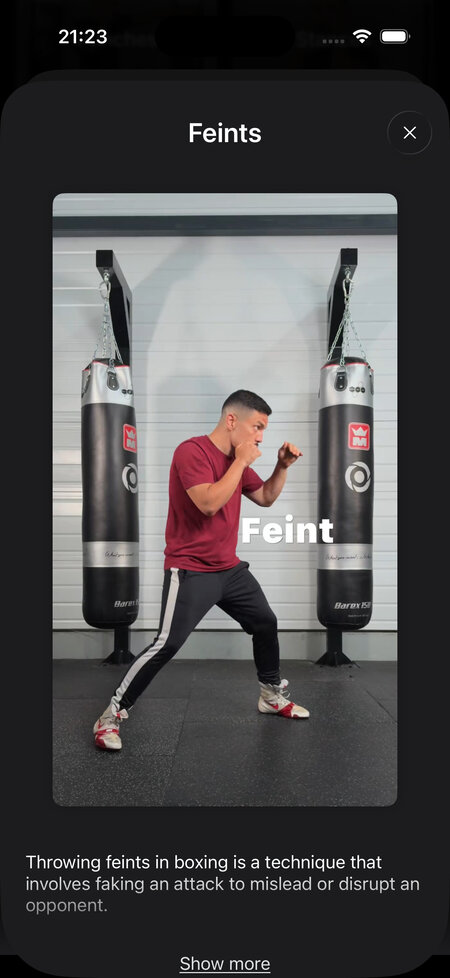
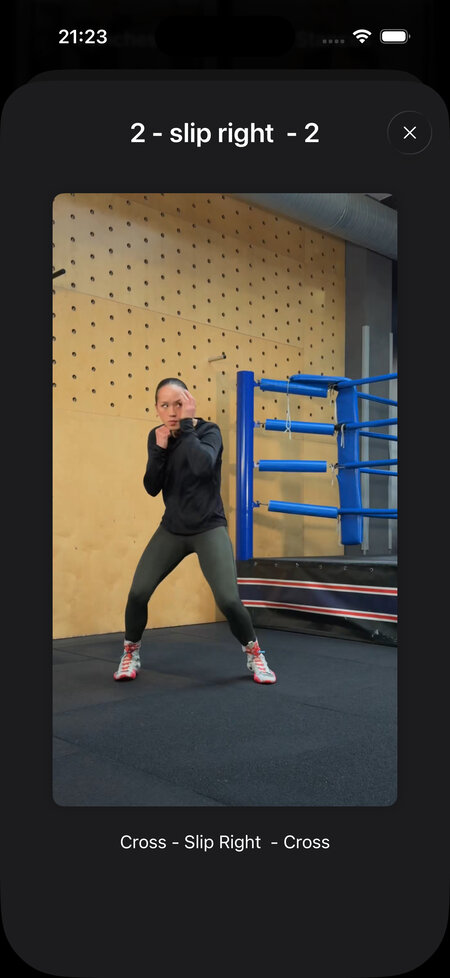
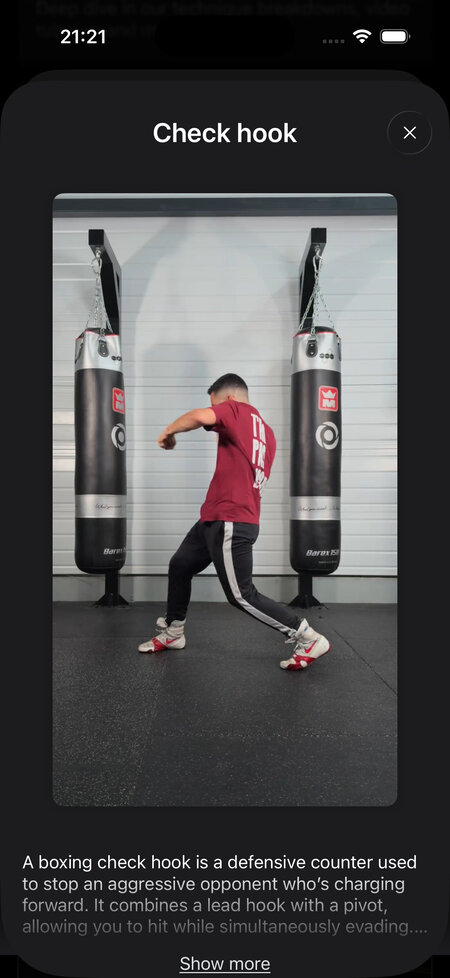
When high volume does make sense
This isn’t an argument against throwing a lot of punches. There are real reasons to do high-output rounds:
Cardio conditioning. Long rounds of sustained output build the endurance that makes everything else possible. When you’re deep into a session and your arms are burning, that’s useful training.
Warming up. Getting the hands moving, feeling the combinations, loosening up before technical work: volume has a place here.
Fun. Shadow boxing a fast, flowing round where you’re just letting combinations go is enjoyable. That matters. You’ll train more consistently if you occasionally just enjoy it.
The point is that high volume isn’t the measure of a good session. It’s one ingredient, useful in context.
What trackers miss
Connected gloves and punch-tracking wearables have the same blind spot. They count motion. A sloppy arm punch with a dropped guard registers the same as a clean cross thrown from a proper stance. The number goes up either way.
There’s nothing wrong with using a tracker, but the punch count it gives you is a measure of output, not quality. It won’t tell you your guard was down, that your weight wasn’t behind anything, or that you were throwing with your arm instead of your body. Those are the things a coach watching you would flag immediately. A sensor on your wrist can’t see them.
What to pay attention to instead
Rather than counting punches, notice whether your guard is returning after every combination. Notice whether your stance resets properly after you move. Notice whether you’re mixing in defense, or just throwing.
A shorter session where you throw clean, well-structured combinations with your guard up and your feet moving is better training than a long session of flailing. This is what coaches watch for. It’s slower progress on the scoreboard and faster progress in the ring.
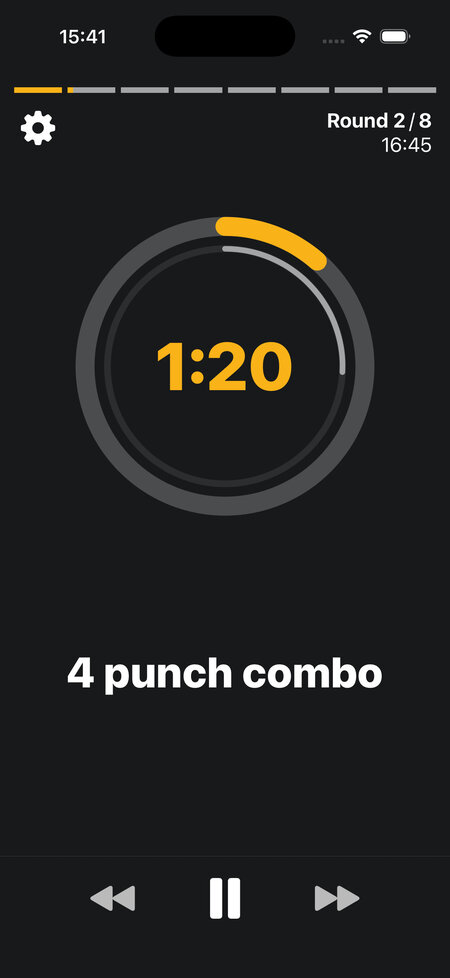
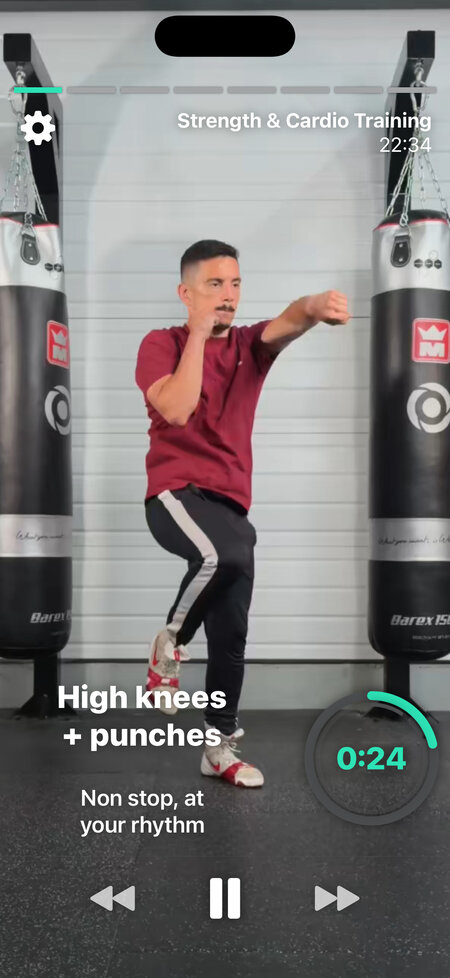
The Shadow Boxing App calls out combinations rather than encouraging maximum output, and includes defense exercises alongside the punching so you’re not training one side of the sport in isolation. The goal is to build a complete boxer, not a high punch-count number.